

































Security · Proxynet Blog


Published
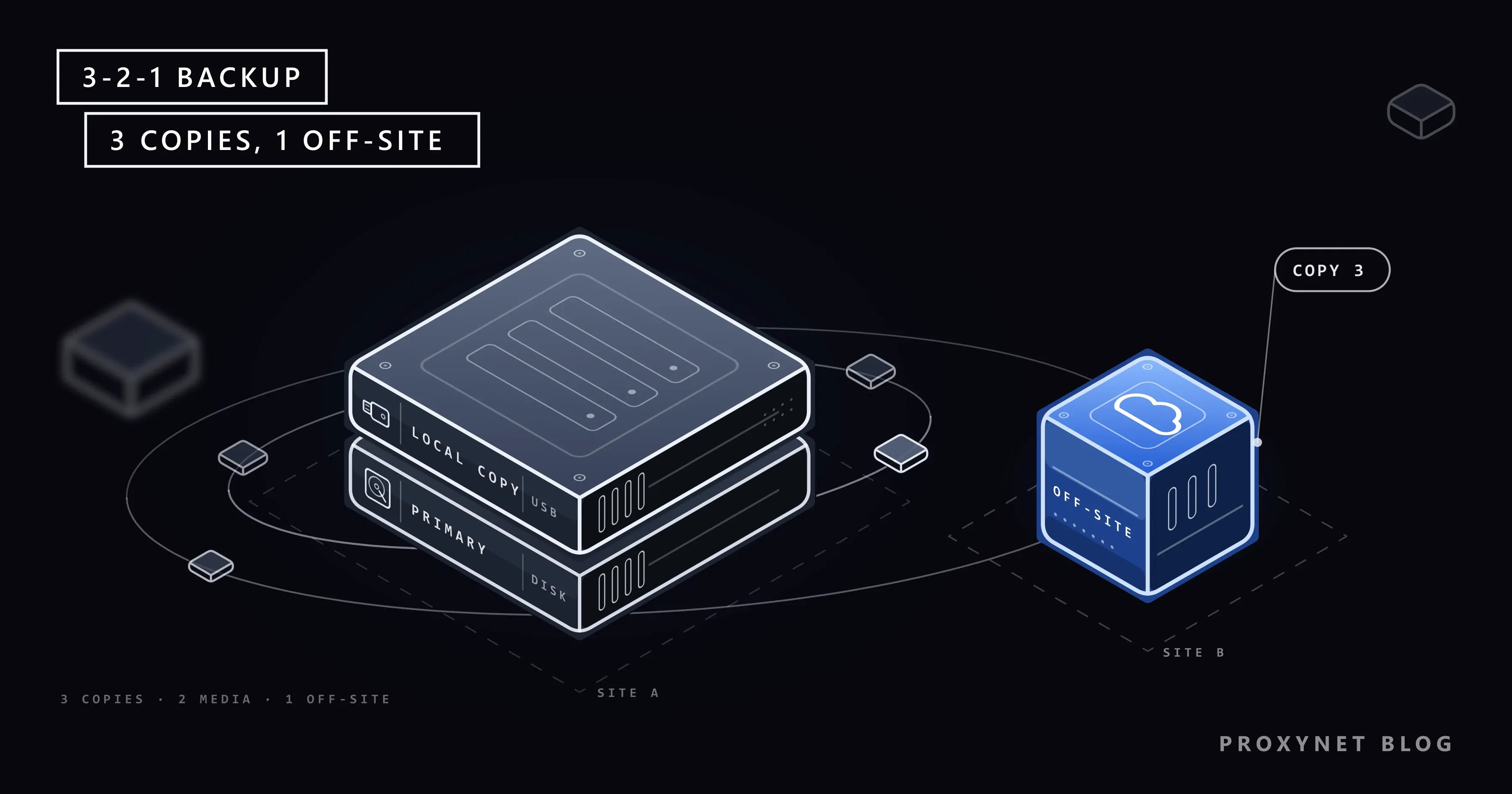
What Is the 3-2-1 Backup Rule?
The 3-2-1 backup rule: three copies of your data on two kinds of storage, one of them off-site. What counts as a copy and how to apply it at home and at work.
Written by: Acar Diveroli
Published
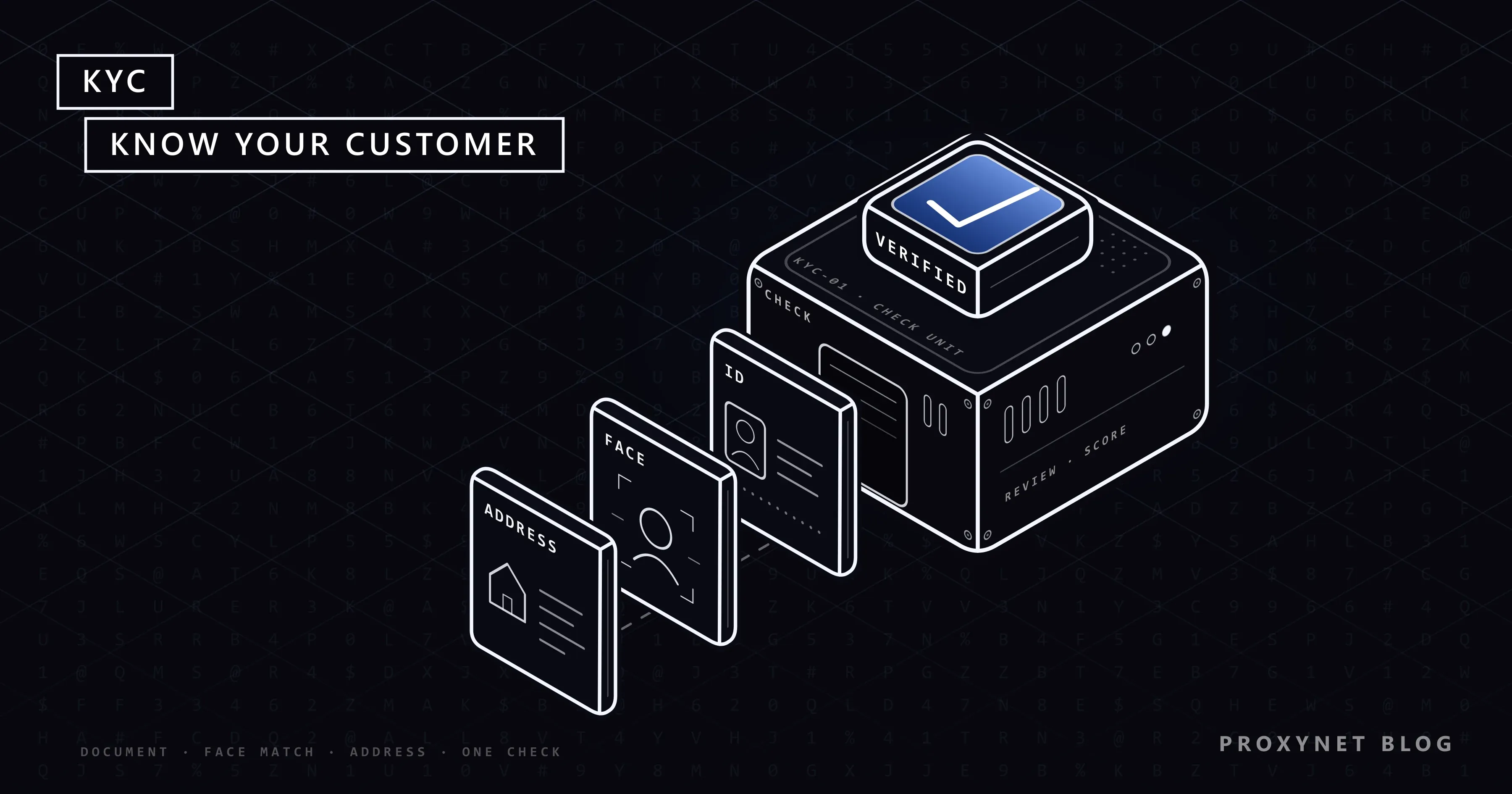
What Is KYC? Know Your Customer Checks Explained
KYC (know your customer) is how banks, crypto exchanges and fintech apps confirm who you are before you use them. The steps, the documents and why checks fail.
Written by:Acar Diveroli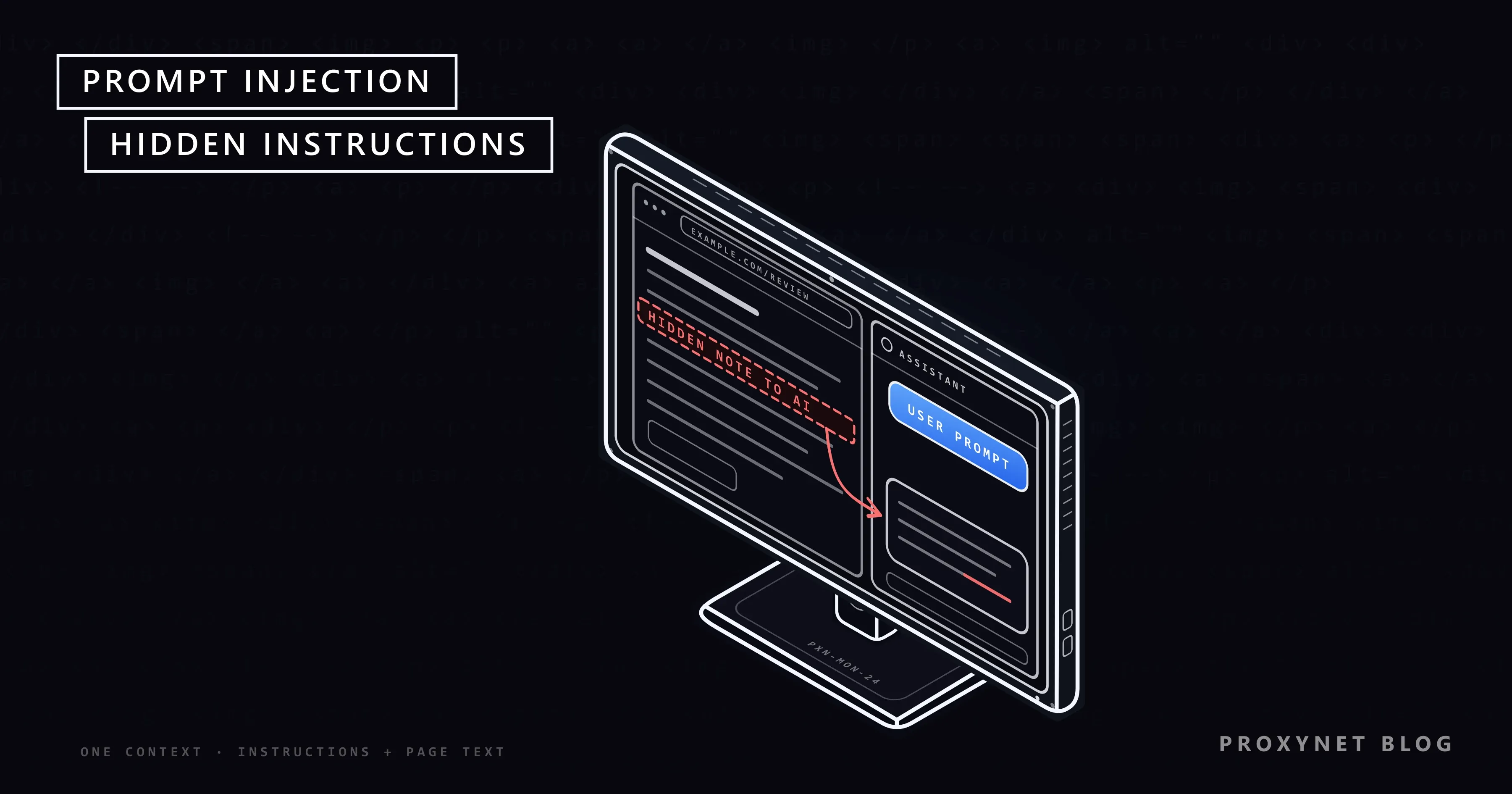
Published
What Is Prompt Injection? How the Attack Works
Prompt injection is an attack where text an AI model reads, typed by a user or hidden in a page, overrides its instructions. Types, real risks and defences.
Written by:Acar Diveroli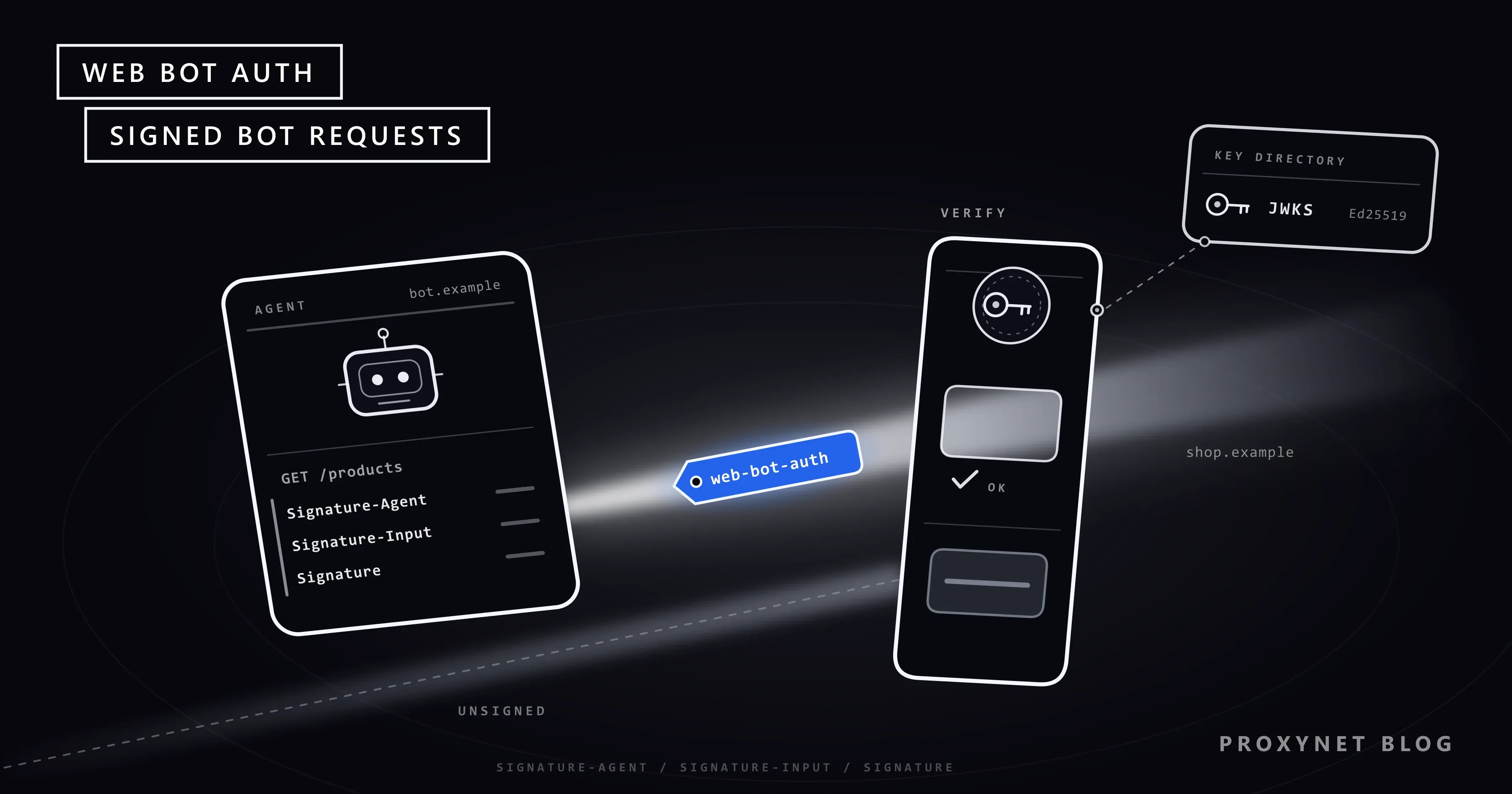
Published
What Is Web Bot Auth? Signed Identity for Bots
Web Bot Auth lets bots and AI agents sign their HTTP requests so a site can check who sent them. How it works, its IETF status and who supports it.
Written by:Acar Diveroli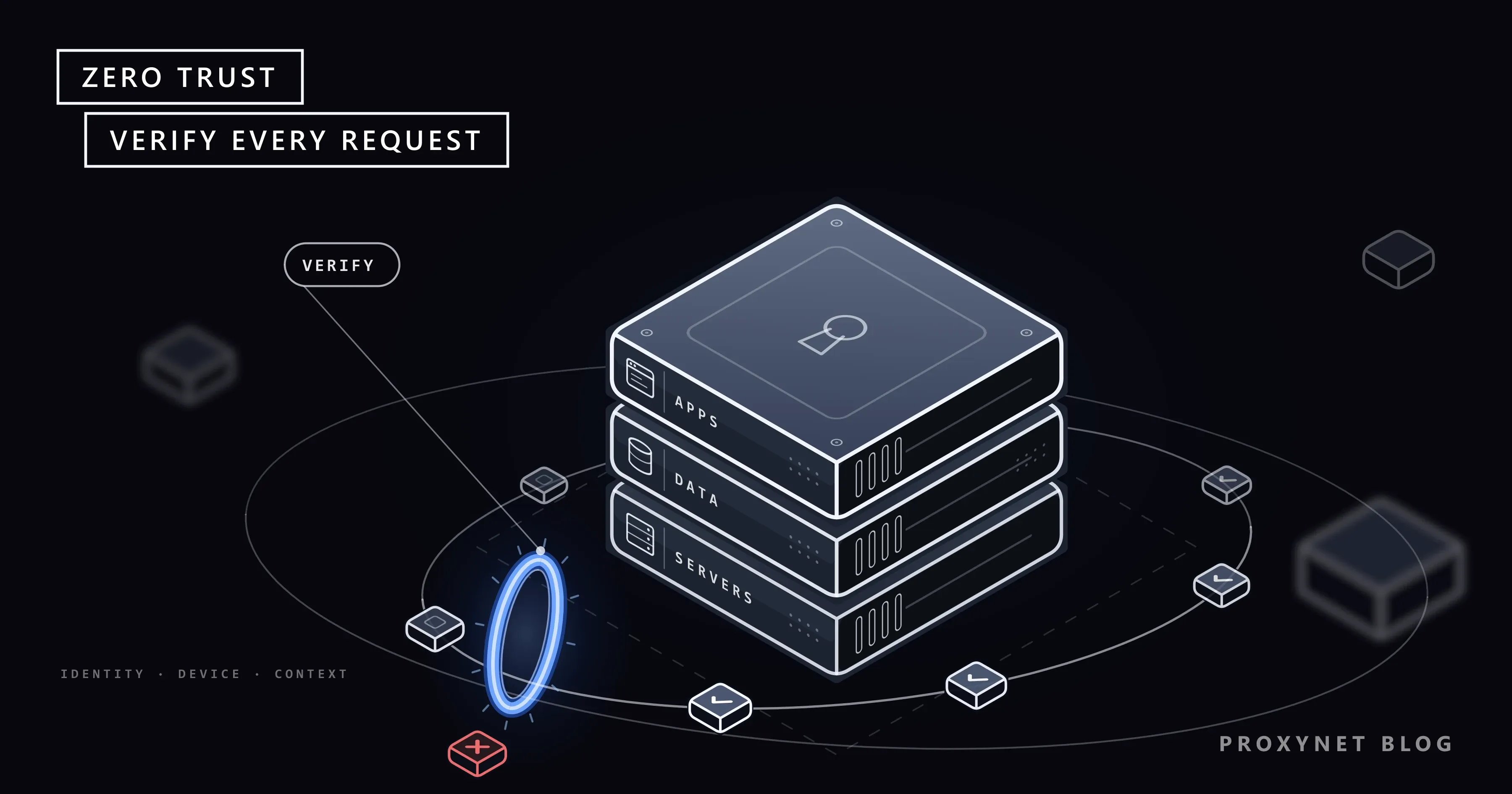
Published
What Is Zero Trust? How the Security Model Works
Zero trust is a security model that checks every request by identity, device and context instead of trusting the network. Principles, parts and first steps.
Written by:Acar Diveroli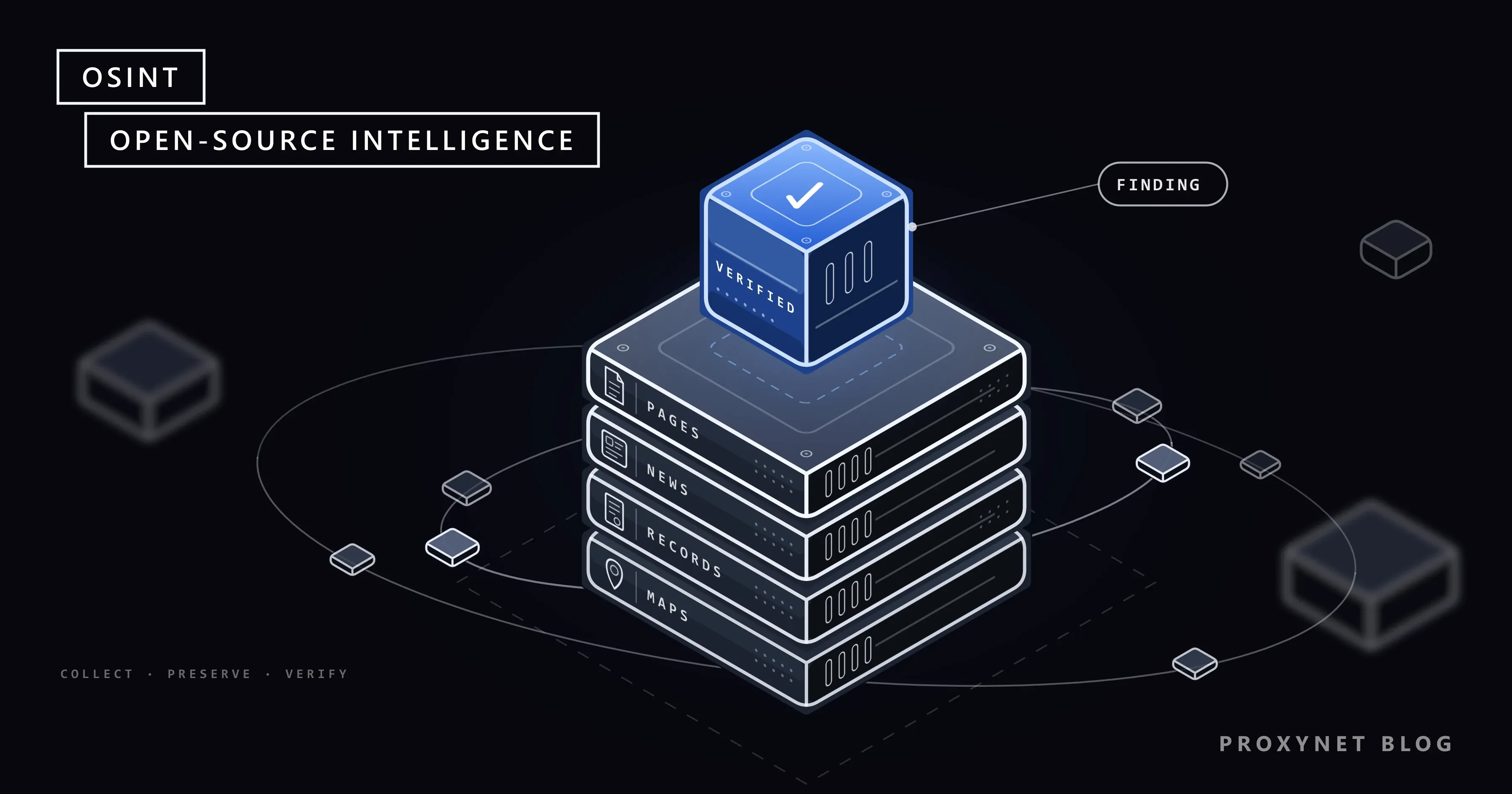
Published
What Is OSINT? Open-Source Intelligence Explained
OSINT (open-source intelligence) is information from public sources, collected and verified until it answers a question. How it works, its uses and limits.
Written by:Acar Diveroli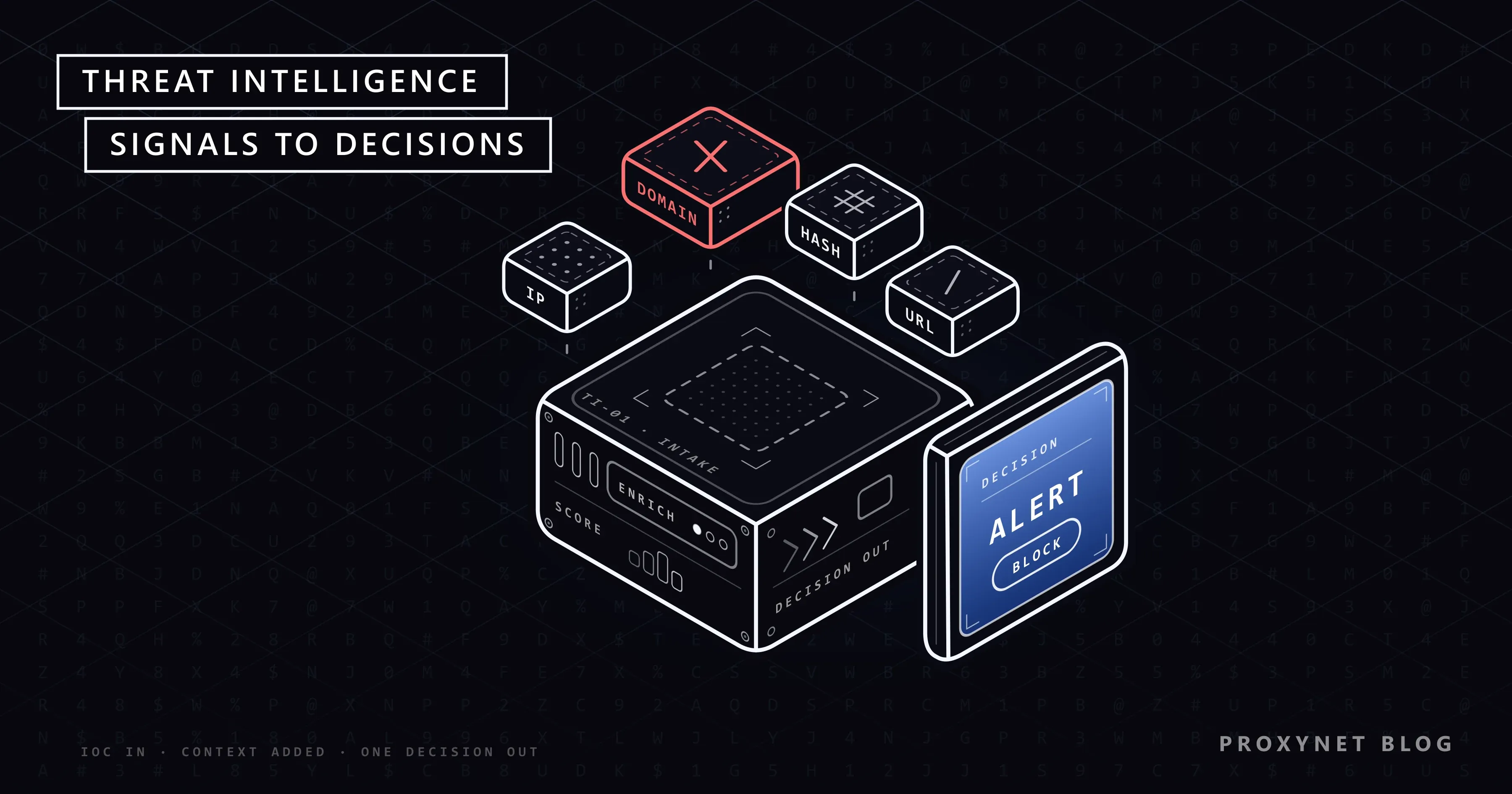
Published
What Is Threat Intelligence? Types, Sources and Feeds
Threat intelligence is analysed information about attackers that tells you what to block, patch or watch. The four types, the lifecycle, sources and feeds.
Written by:Acar Diveroli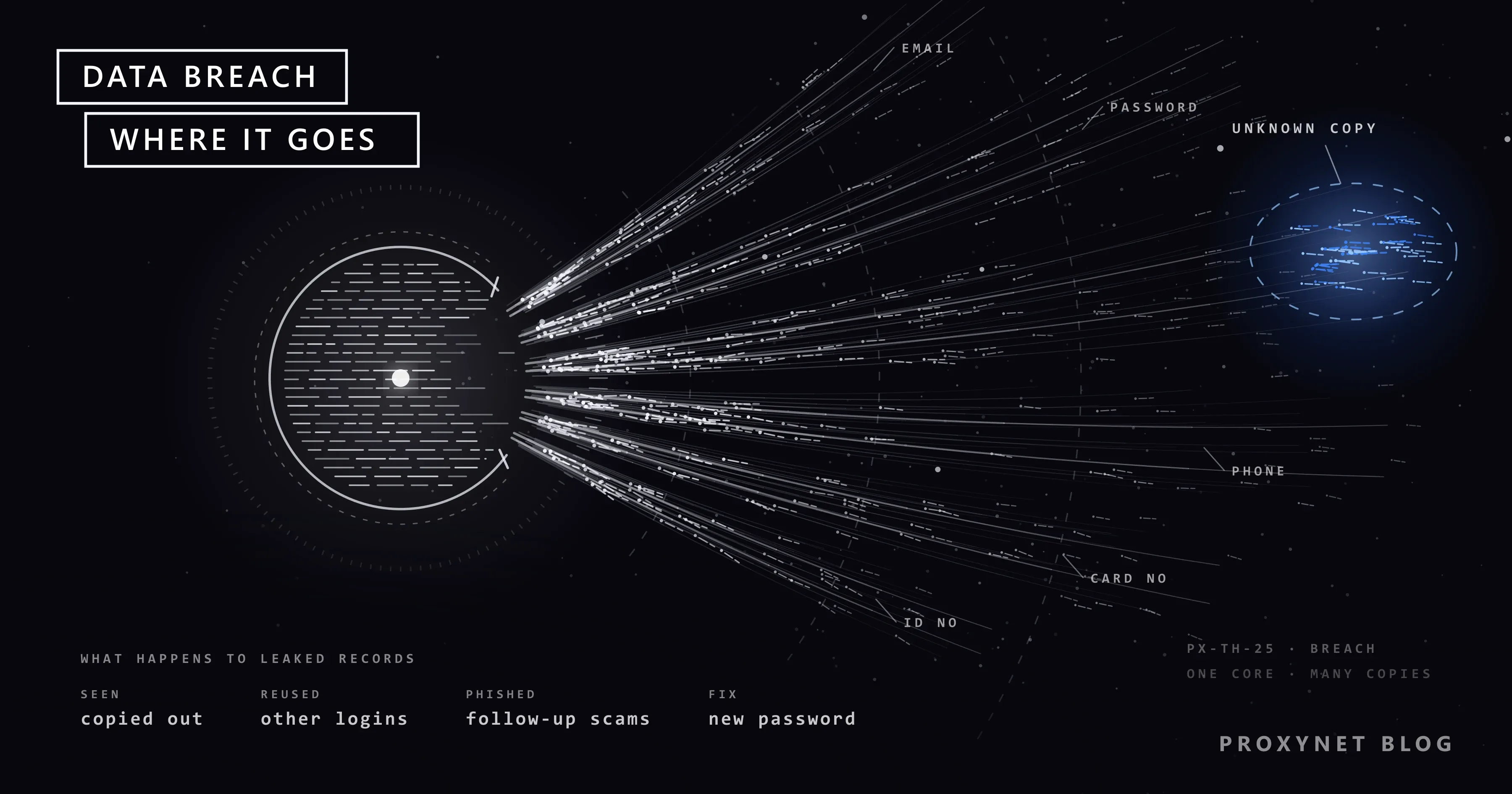
Published
What Is a Data Breach? What to Do If Your Data Leaked
A data breach is when personal or company data is seen, copied or lost by someone who should not have it. How breaches happen, how to check, what to do.
Written by:Acar Diveroli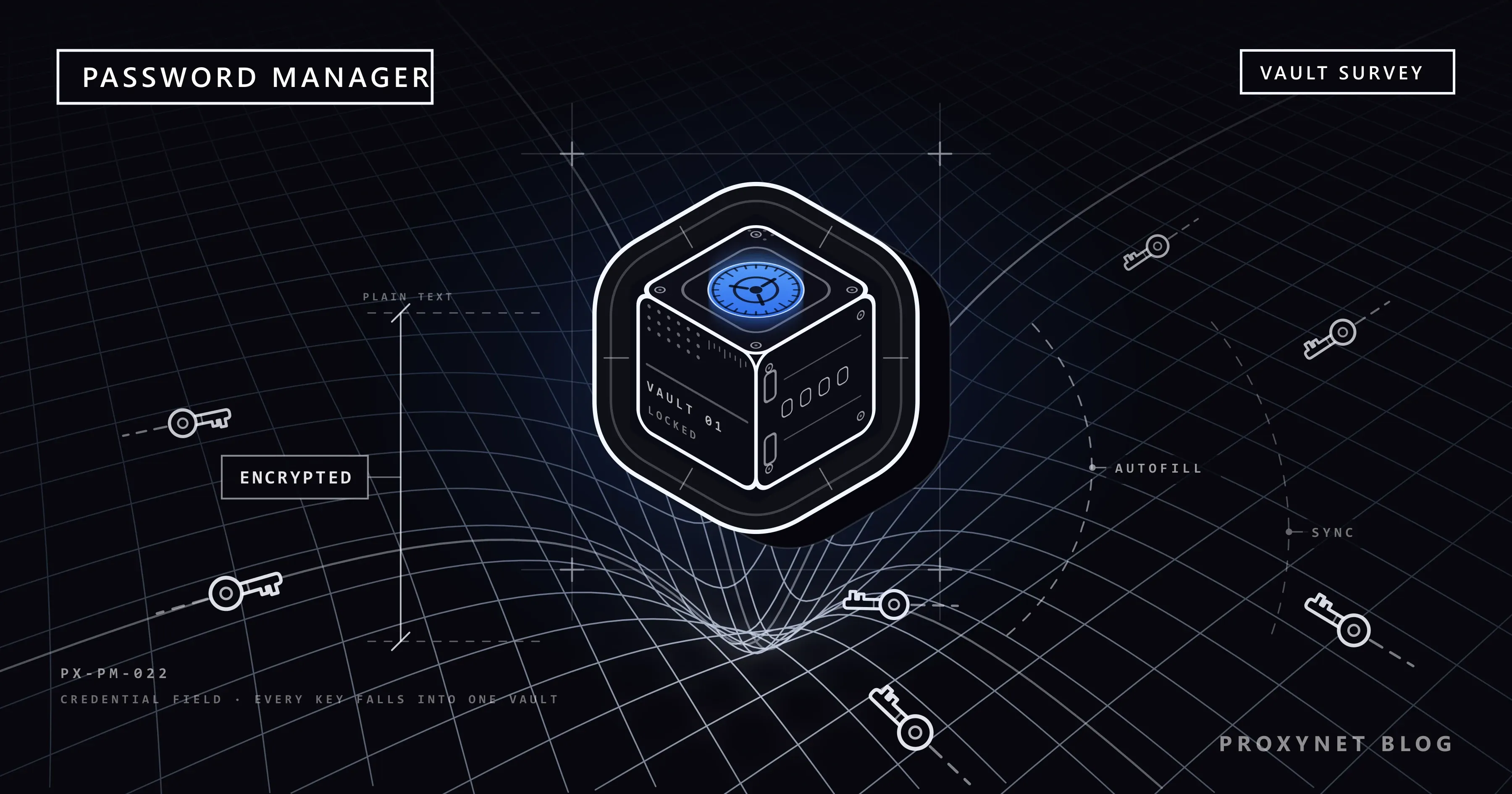
Published
What Is a Password Manager and Is It Safe?
A password manager stores your passwords encrypted behind one master password and fills them in for you. How it works, how safe it is and where to find yours.
Written by:Acar Diveroli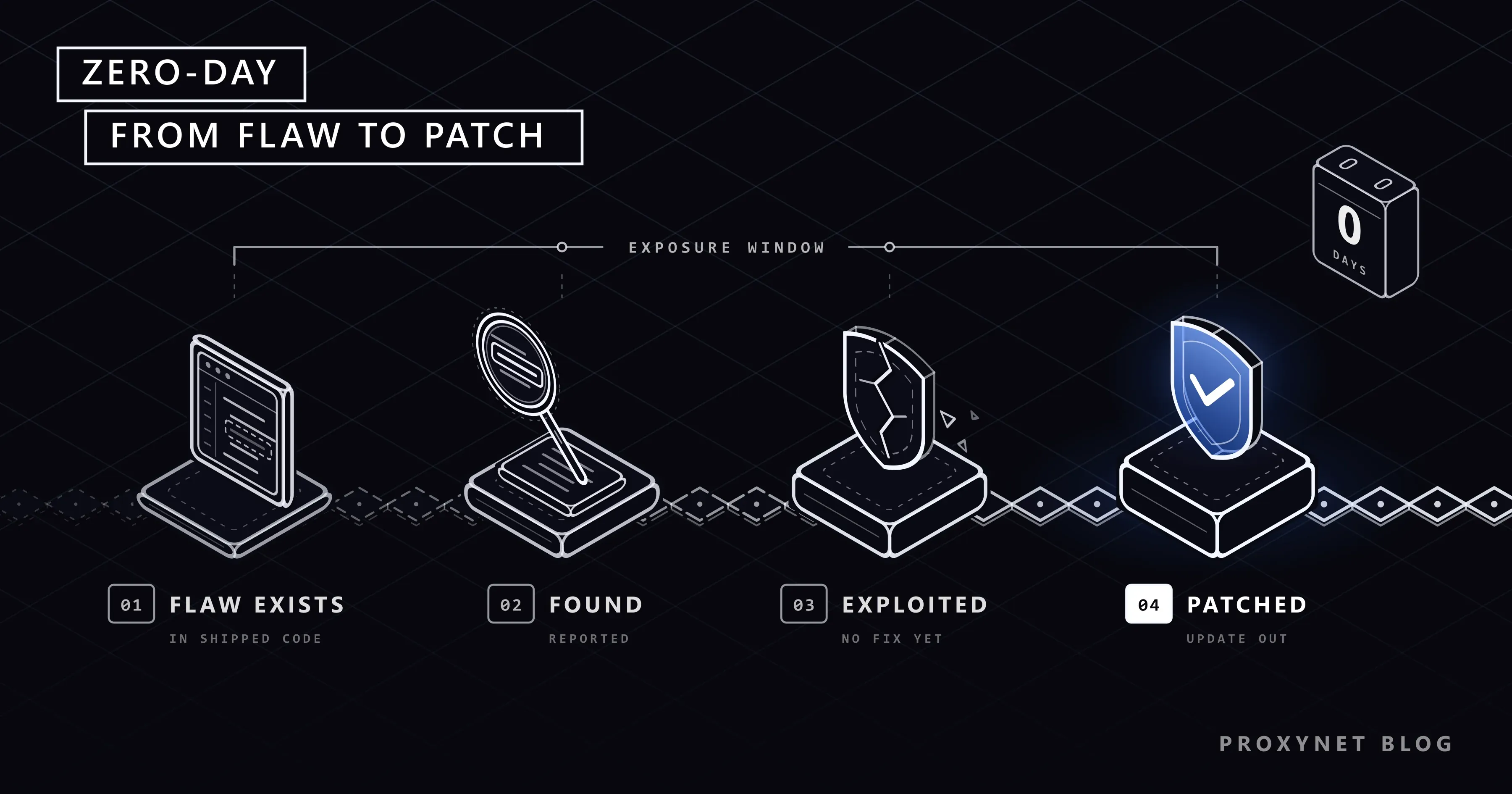
Published
What Is a Zero-Day Vulnerability? Exploits Explained
A zero-day vulnerability is a flaw attackers exploit before the vendor has a fix. How zero-days are found and patched, and how to protect your devices.
Written by:Acar Diveroli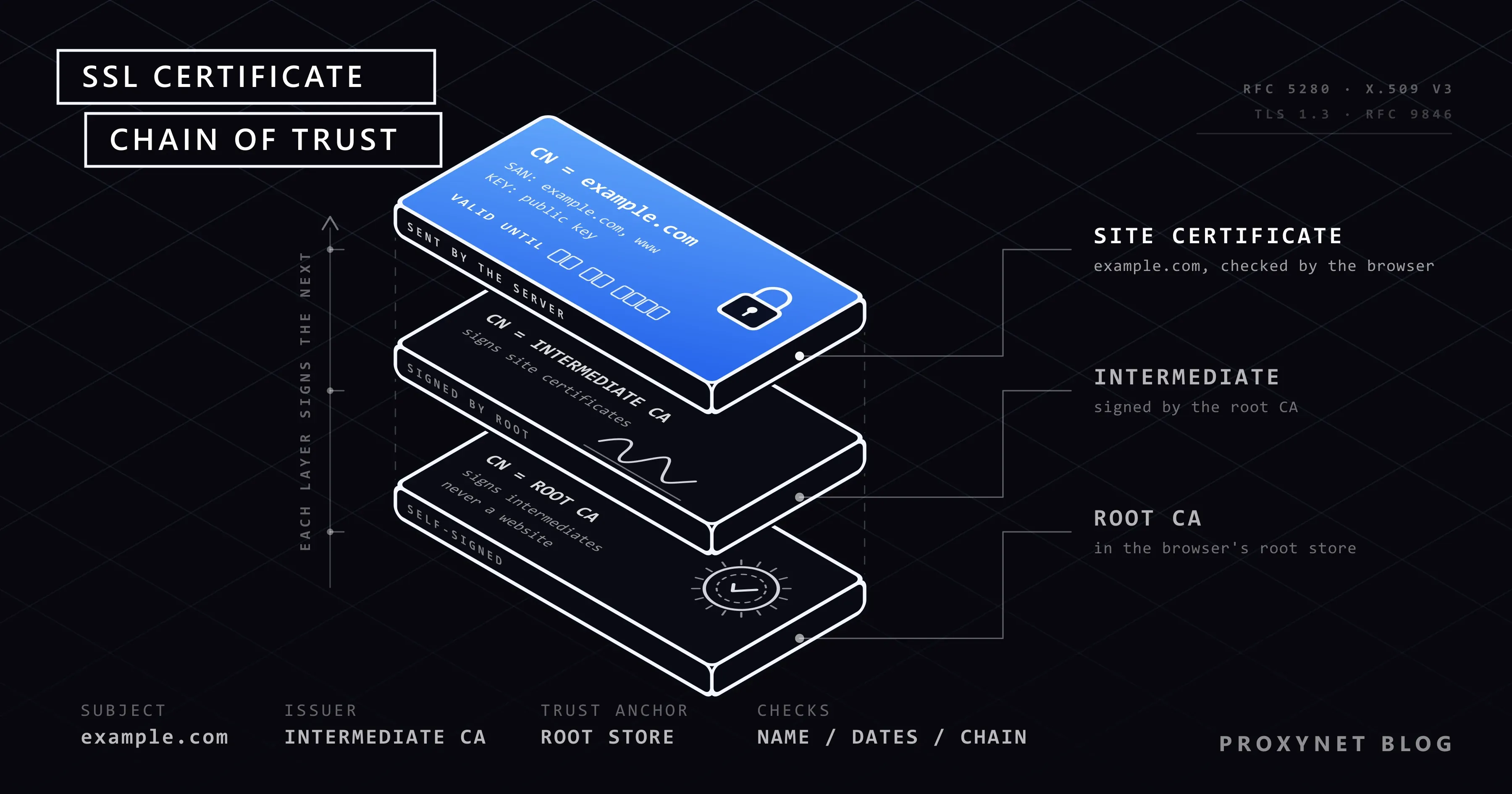
Published
What Is an SSL Certificate and How Do You Check One?
An SSL certificate is a signed file that proves a site controls its domain and enables HTTPS. What it contains, how browsers check it and how to view one.
Written by:Acar Diveroli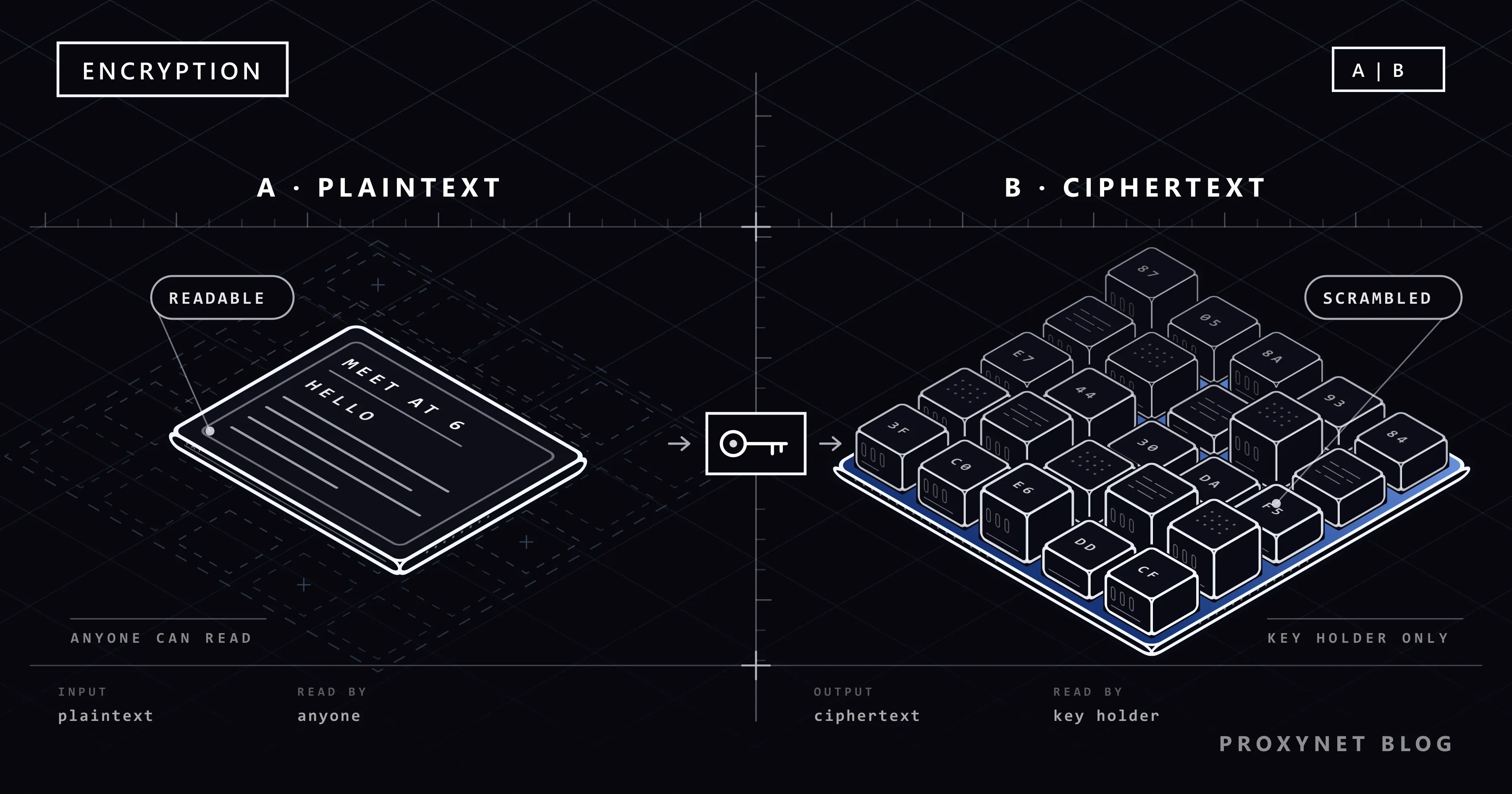
Published
What Is Encryption? Symmetric vs Asymmetric Explained
Encryption turns readable data into ciphertext that only the holder of the right key can read. How it works, symmetric vs asymmetric, and where you use it.
Written by:Acar Diveroli
What Is the 3-2-1 Backup Rule?
Written by: Acar DiveroliSecurityPublished
What Is KYC? Know Your Customer Checks Explained
Written by: Acar DiveroliSecurityPublished
What Is Prompt Injection? How the Attack Works
Written by: Acar DiveroliSecurityPublished
What Is Web Bot Auth? Signed Identity for Bots
Written by: Acar DiveroliAIPublished
What Is Zero Trust? How the Security Model Works
Written by: Acar DiveroliSecurityPublished
What Is OSINT? Open-Source Intelligence Explained
Written by: Acar DiveroliSecurityPublished
What Is Threat Intelligence? Types, Sources and Feeds
Written by: Acar DiveroliSecurityPublished
What Is a Data Breach? What to Do If Your Data Leaked
Written by: Acar DiveroliSecurityPublished
What Is a Password Manager and Is It Safe?
Written by: Acar DiveroliSecurityPublished
What Is a Zero-Day Vulnerability? Exploits Explained
Written by: Acar DiveroliSecurityPublished
What Is an SSL Certificate and How Do You Check One?
Written by: Acar DiveroliSecurityPublished
What Is Encryption? Symmetric vs Asymmetric Explained
Written by: Acar DiveroliSecurityPublished
No posts match
Published
Published