































Proxynet Blog



Published
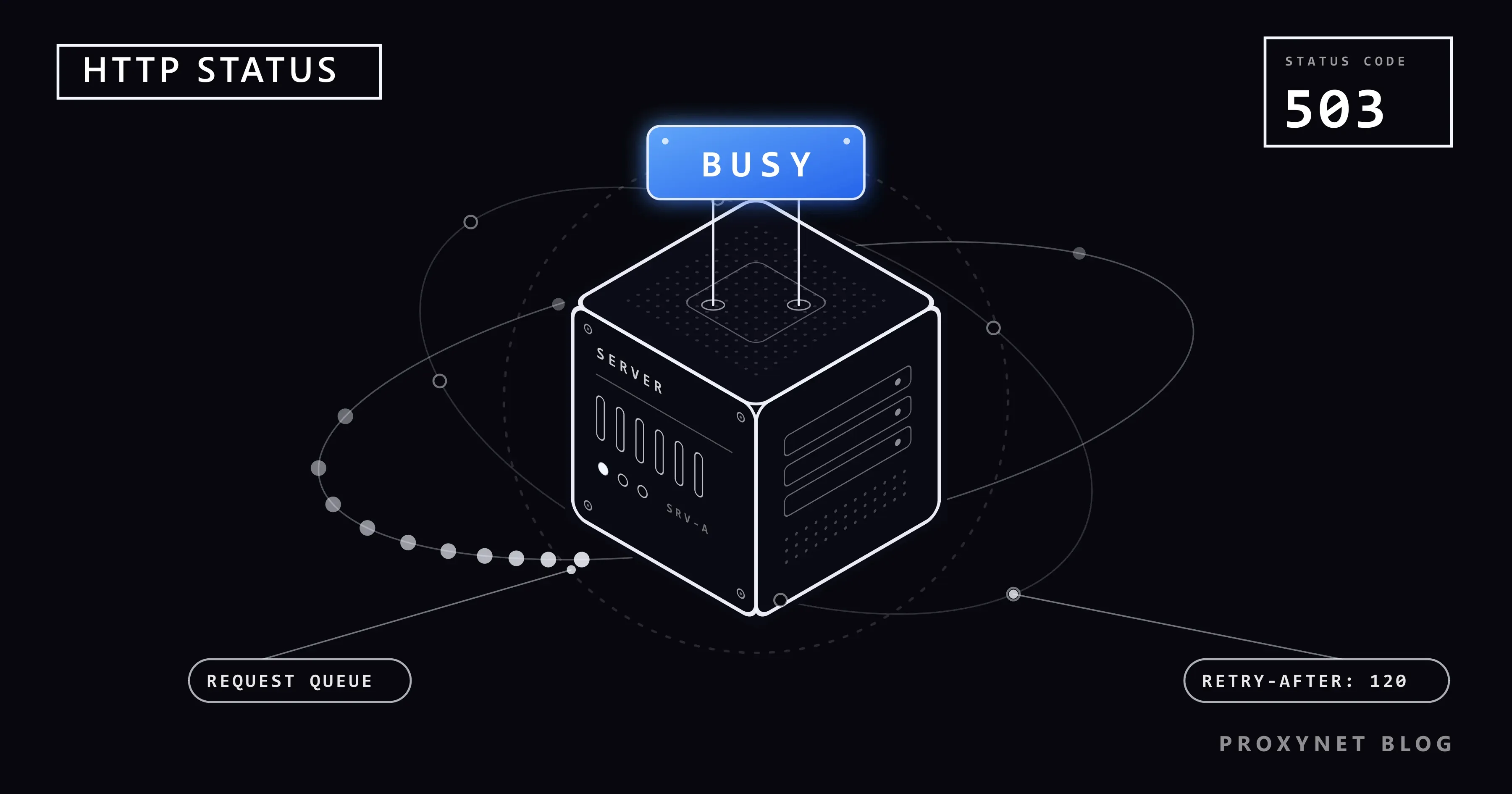
503 Service Unavailable: What It Means and How to Fix It
503 service unavailable means the server is up but temporarily overloaded or down for maintenance. What visitors can try and how site owners find the cause.
Written by: Acar Diveroli
Published
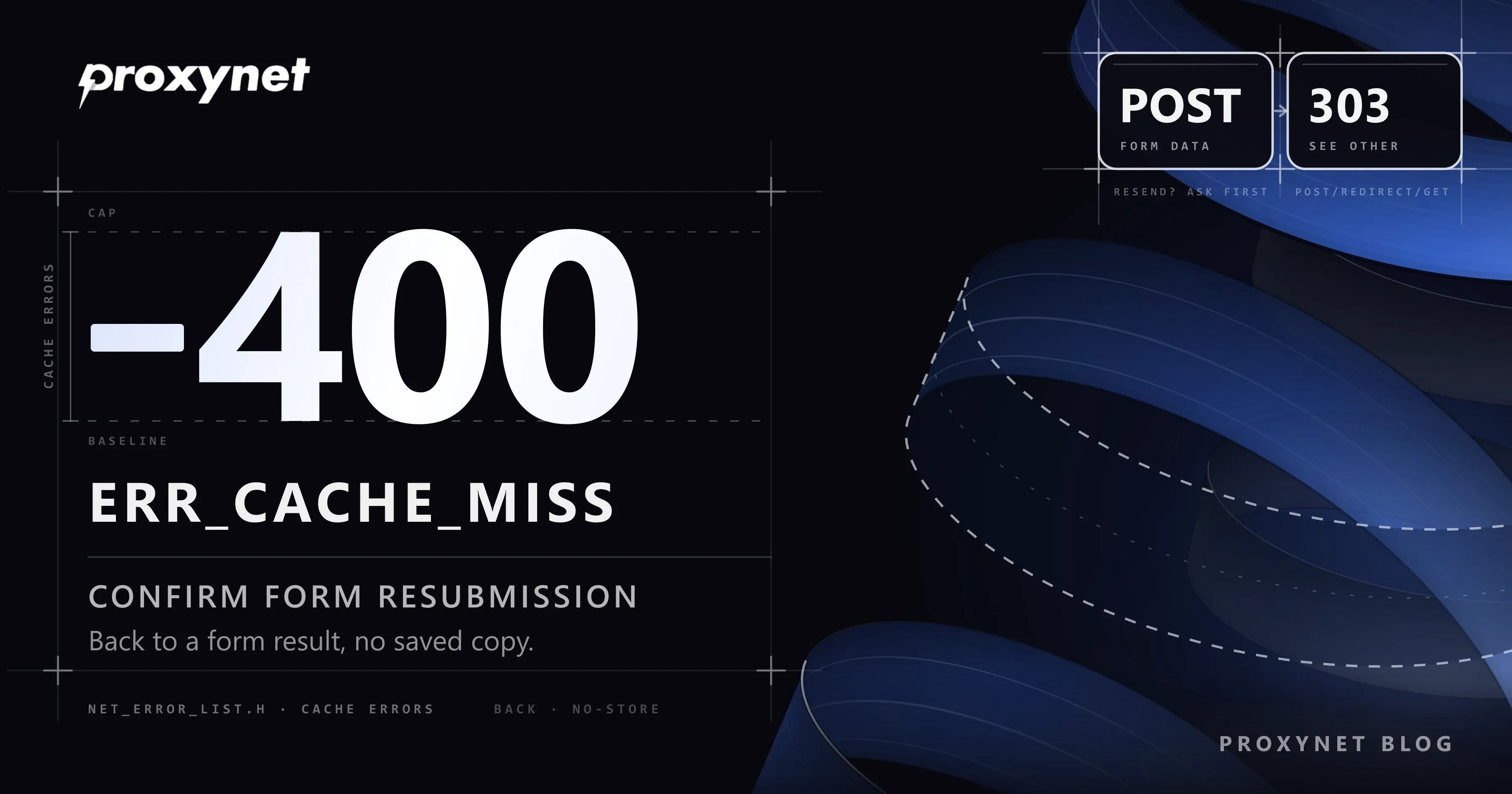
err_cache_miss in Chrome: What It Means and How to Fix It
err_cache_miss means Chrome had no saved copy of a page it may not reload on its own, usually a form result you went Back to. Causes and fixes.
Written by:Acar Diveroli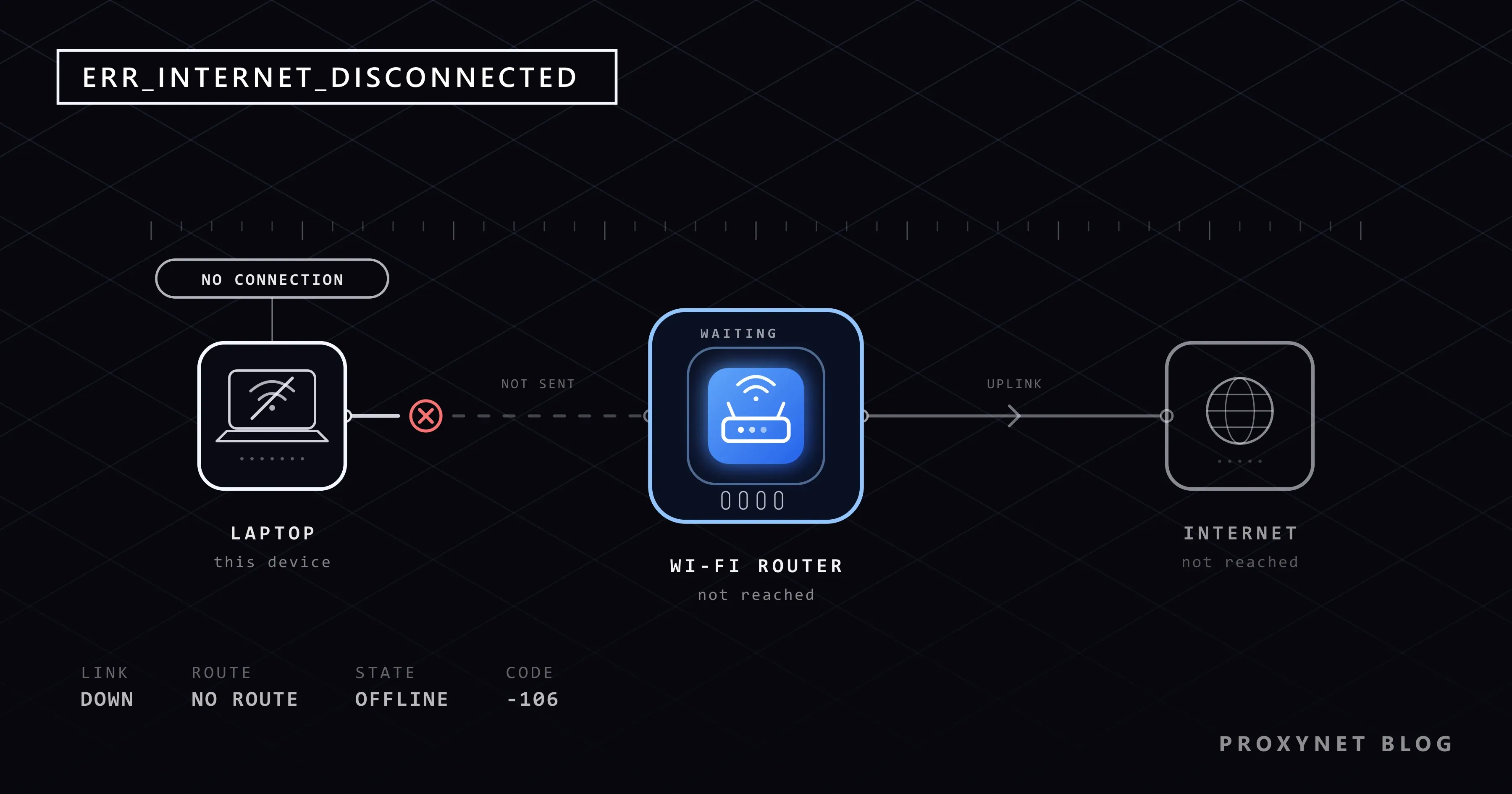
Published
err_internet_disconnected: How to Fix It on Any Device
err_internet_disconnected means your device has no working network connection, so Chrome sent nothing. Causes and fixes for Windows, Mac, Android and iPhone.
Written by:Acar Diveroli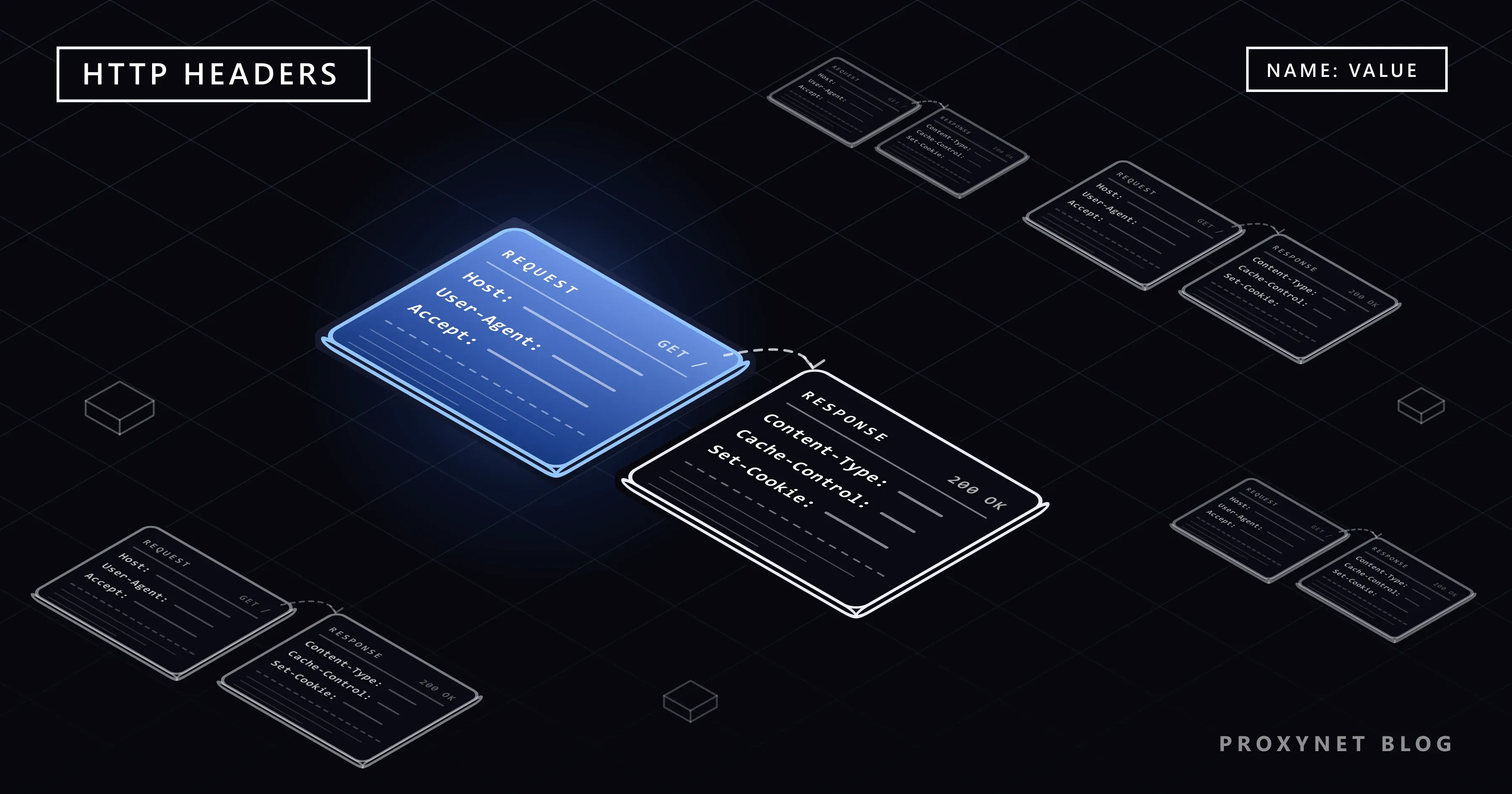
Published
What Are HTTP Headers? Common Headers Explained
HTTP headers are name: value lines sent before the body of every request and response. What they do, the common ones and how to view them in Chrome and curl.
Written by:Acar Diveroli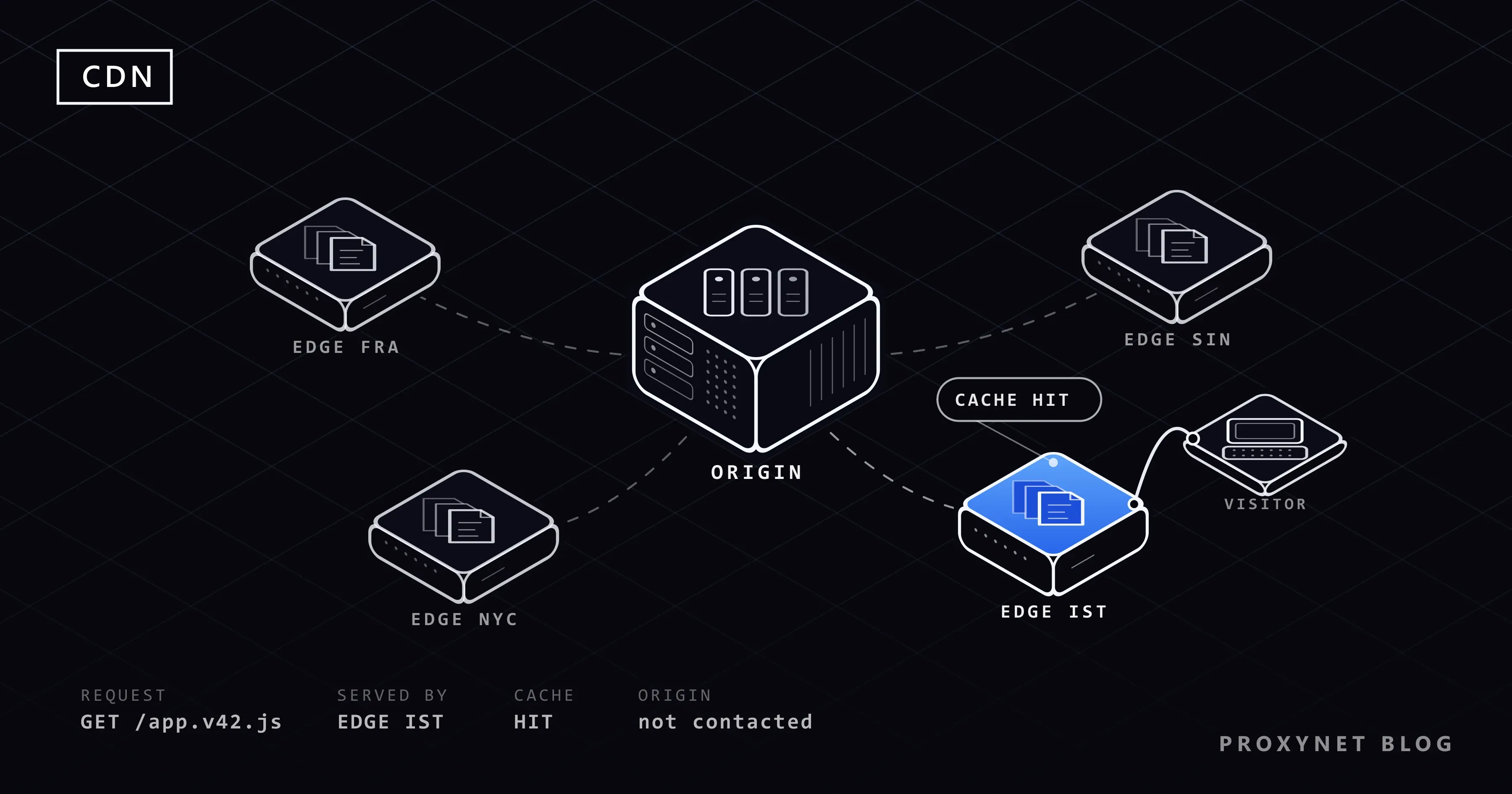
Published
What Is a CDN and How Does It Work?
A CDN (content delivery network) is a network of servers that keeps copies of a website close to its visitors. How it works, what it caches and how to spot one.
Written by:Acar Diveroli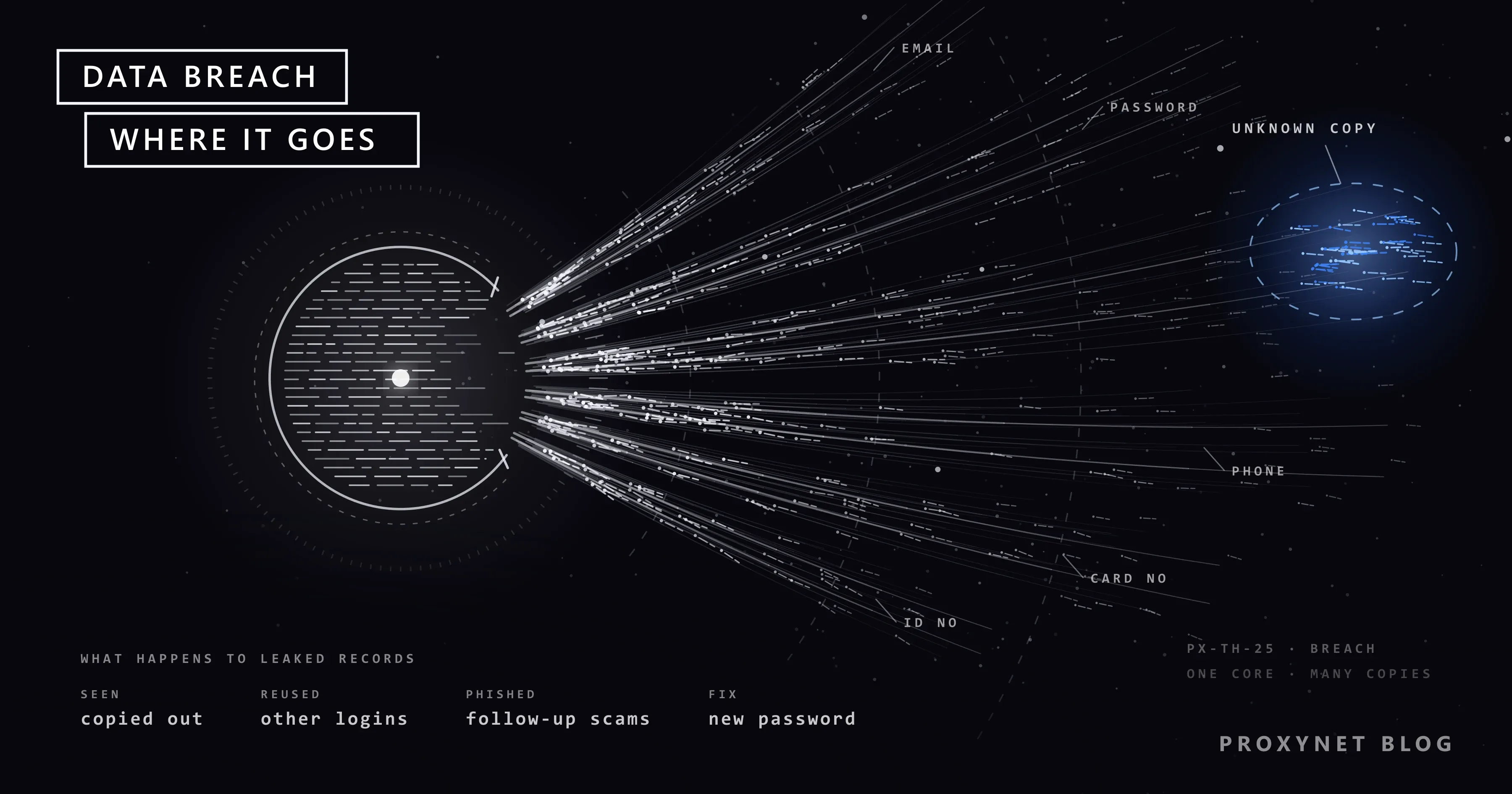
Published
What Is a Data Breach? What to Do If Your Data Leaked
A data breach is when personal or company data is seen, copied or lost by someone who should not have it. How breaches happen, how to check, what to do.
Written by:Acar Diveroli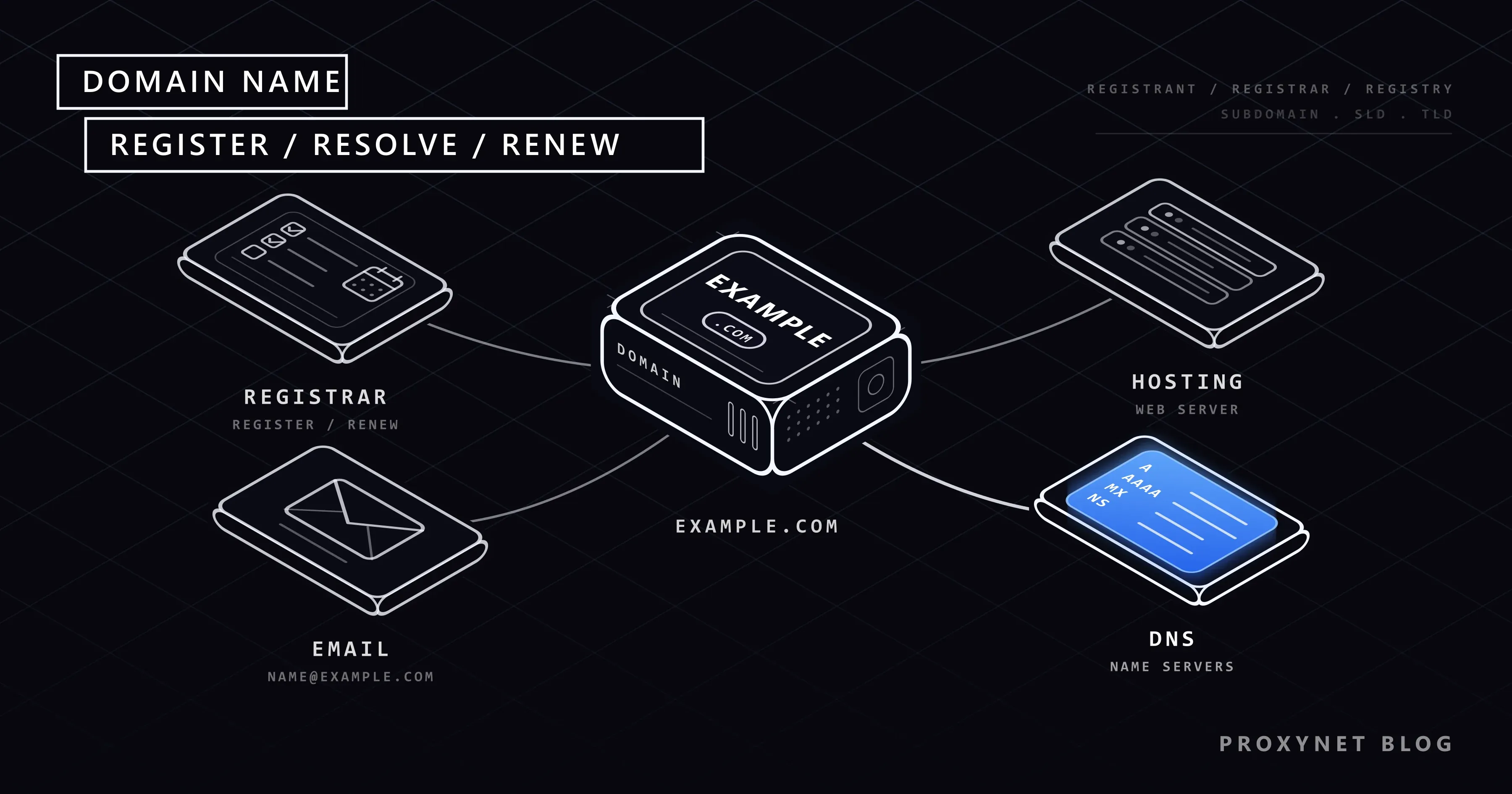
Published
What Is a Domain Name and How Do You Get One?
A domain name is the address people type to reach a site, such as example.com. How its parts work with DNS, how to check if one is free and how to register it.
Written by:Acar Diveroli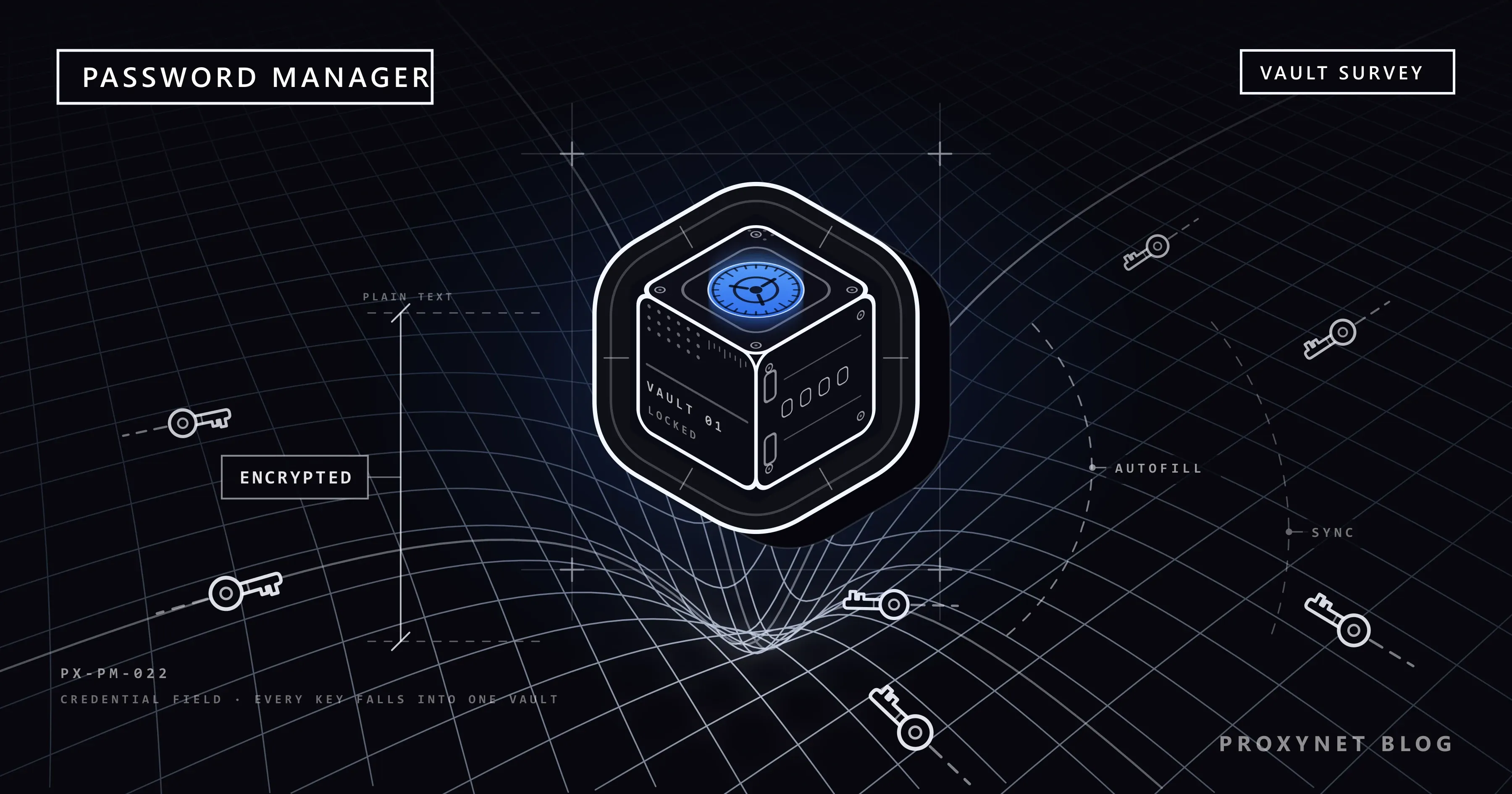
Published
What Is a Password Manager and Is It Safe?
A password manager stores your passwords encrypted behind one master password and fills them in for you. How it works, how safe it is and where to find yours.
Written by:Acar Diveroli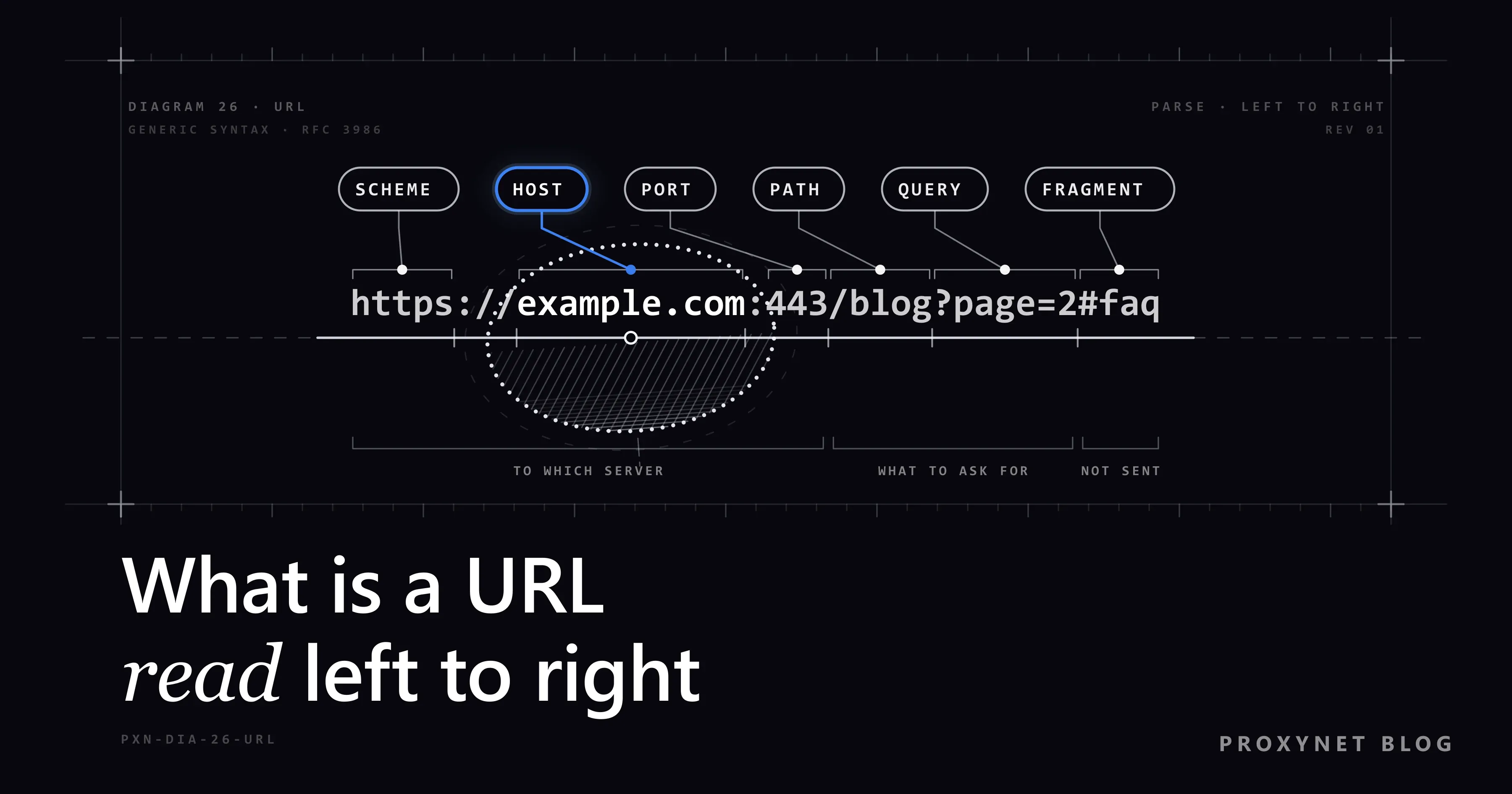
Published
What Is a URL? Parts of a Web Address Explained
A URL is the full address of one page, image or file on the web. Learn what each part does, from https:// to ?query and #fragment, and how to copy one.
Written by:Acar Diveroli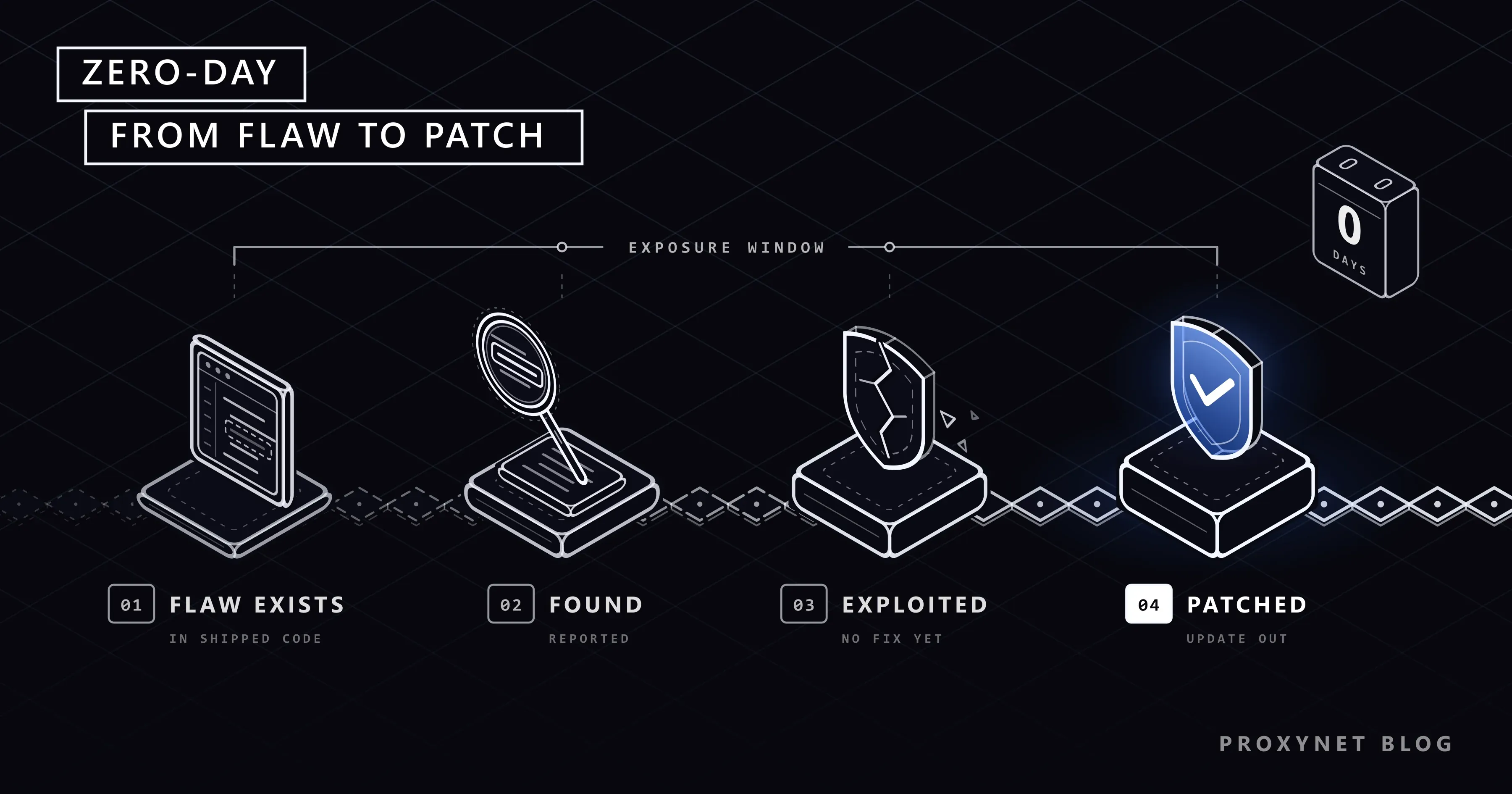
Published
What Is a Zero-Day Vulnerability? Exploits Explained
A zero-day vulnerability is a flaw attackers exploit before the vendor has a fix. How zero-days are found and patched, and how to protect your devices.
Written by:Acar Diveroli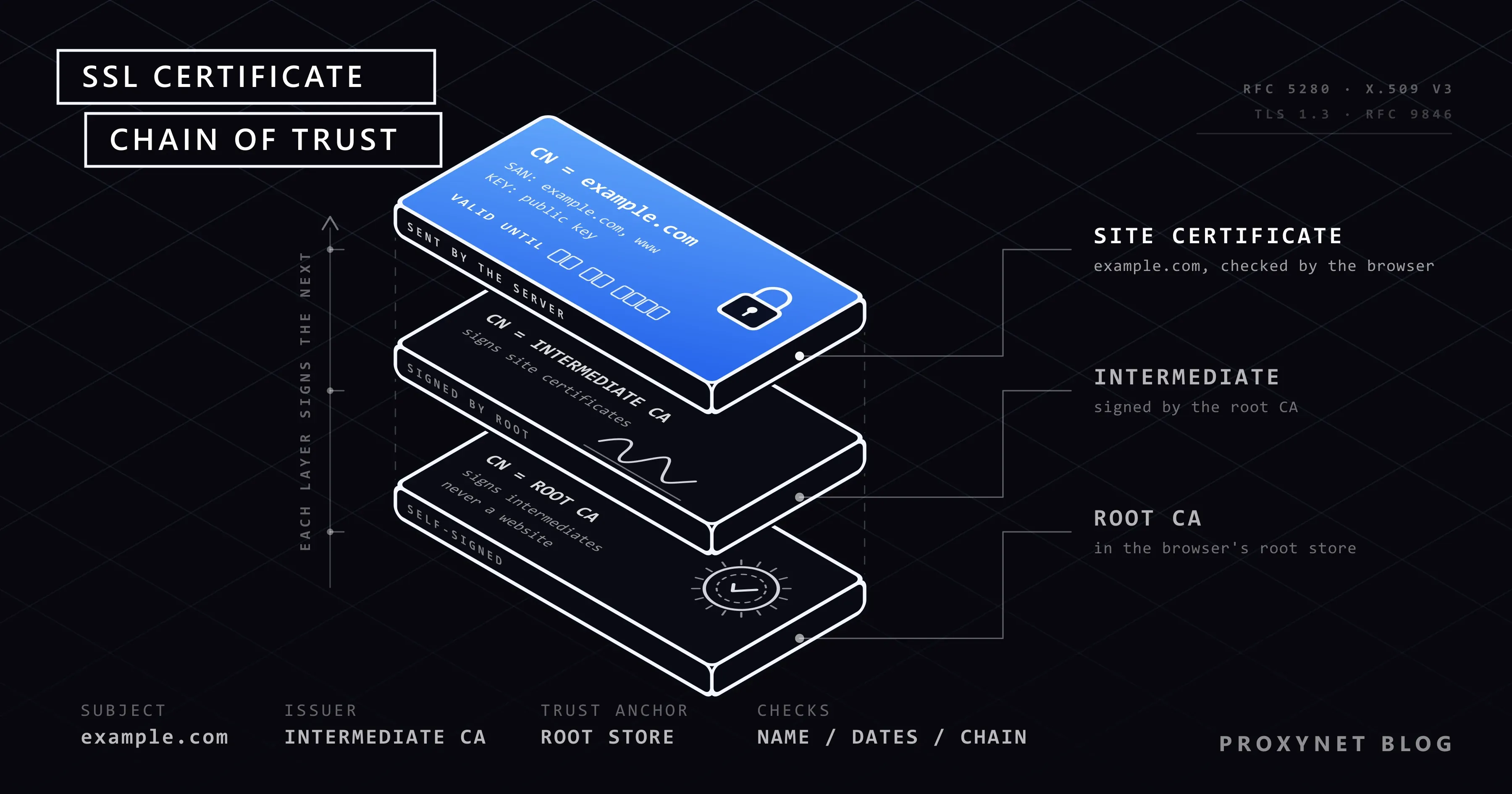
Published
What Is an SSL Certificate and How Do You Check One?
An SSL certificate is a signed file that proves a site controls its domain and enables HTTPS. What it contains, how browsers check it and how to view one.
Written by:Acar Diveroli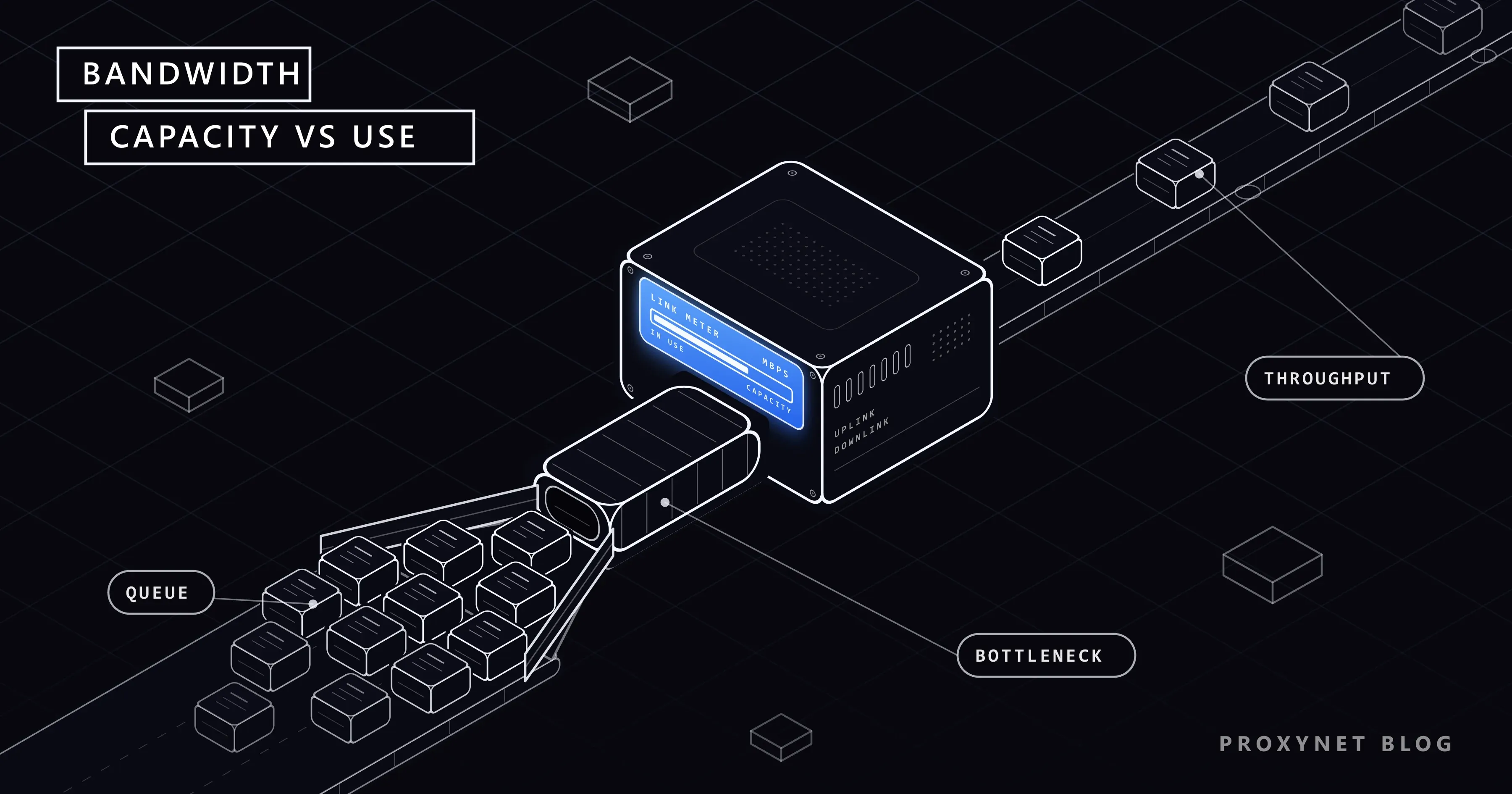
Published
What Is Bandwidth? Bandwidth vs Speed Explained
Bandwidth is the most data a connection can carry each second, measured in Mbps. See how it differs from speed and latency and why you rarely get all of it.
Written by:Acar Diveroli
503 Service Unavailable: What It Means and How to Fix It
Written by: Acar DiveroliTutorialPublished
err_cache_miss in Chrome: What It Means and How to Fix It
Written by: Acar DiveroliTutorialPublished
err_internet_disconnected: How to Fix It on Any Device
Written by: Acar DiveroliTutorialPublished
What Are HTTP Headers? Common Headers Explained
Written by: Acar DiveroliProxiesPublished
What Is a CDN and How Does It Work?
Written by: Acar DiveroliProxiesPublished
What Is a Data Breach? What to Do If Your Data Leaked
Written by: Acar DiveroliProxiesPublished
What Is a Domain Name and How Do You Get One?
Written by: Acar DiveroliProxiesPublished
What Is a Password Manager and Is It Safe?
Written by: Acar DiveroliProxiesPublished
What Is a URL? Parts of a Web Address Explained
Written by: Acar DiveroliProxiesPublished
What Is a Zero-Day Vulnerability? Exploits Explained
Written by: Acar DiveroliProxiesPublished
What Is an SSL Certificate and How Do You Check One?
Written by: Acar DiveroliProxiesPublished
What Is Bandwidth? Bandwidth vs Speed Explained
Written by: Acar DiveroliProxiesPublished
No posts match
Published
Published