

































Networking · Proxynet Blog



Published
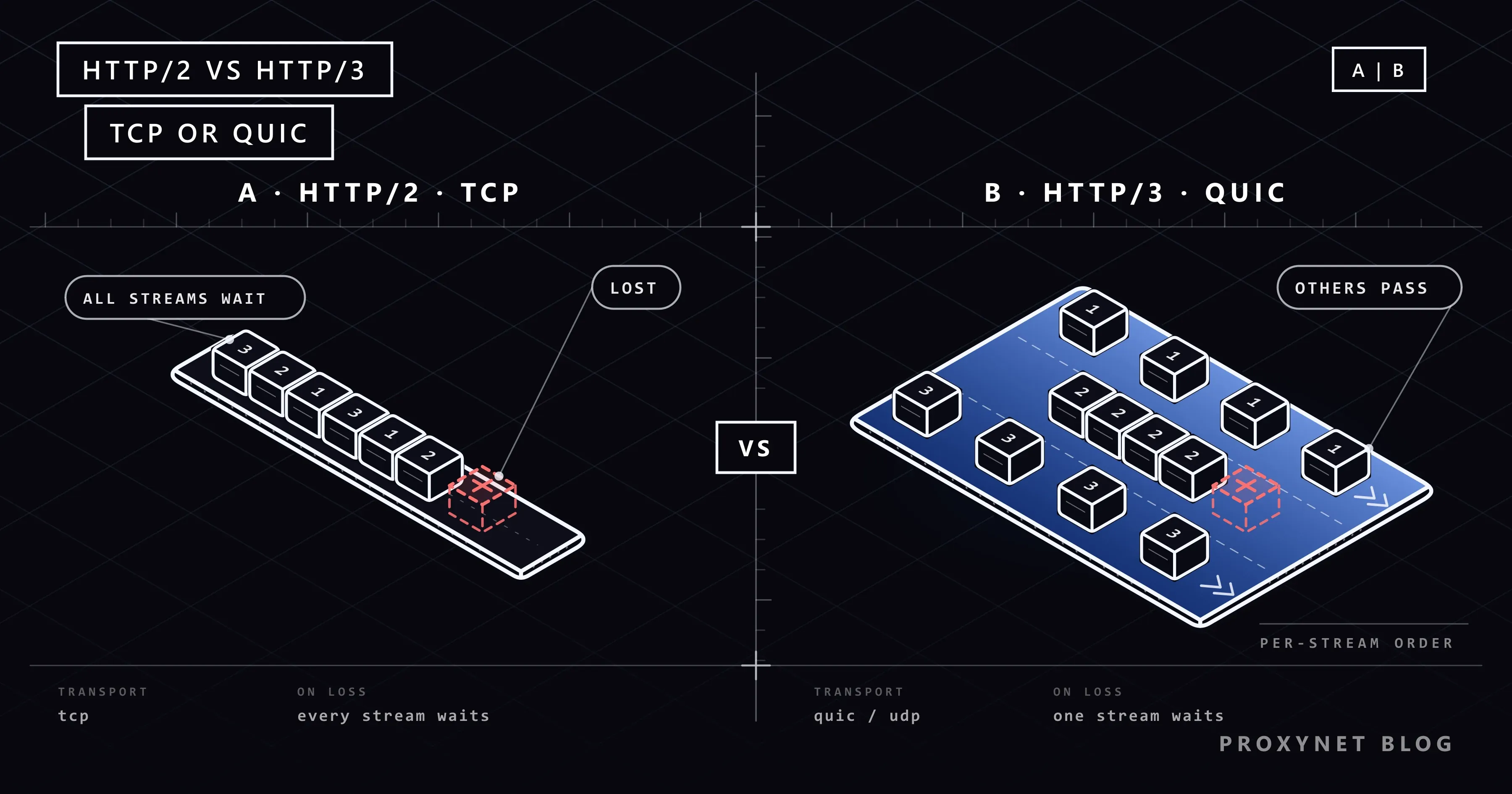
HTTP/1.1 vs HTTP/2 vs HTTP/3: What Changed
HTTP/1.1, HTTP/2 and HTTP/3 carry the same requests in different ways: one at a time, multiplexed over TCP, or over QUIC on UDP. What each changed and why.
Written by: Acar Diveroli
Published
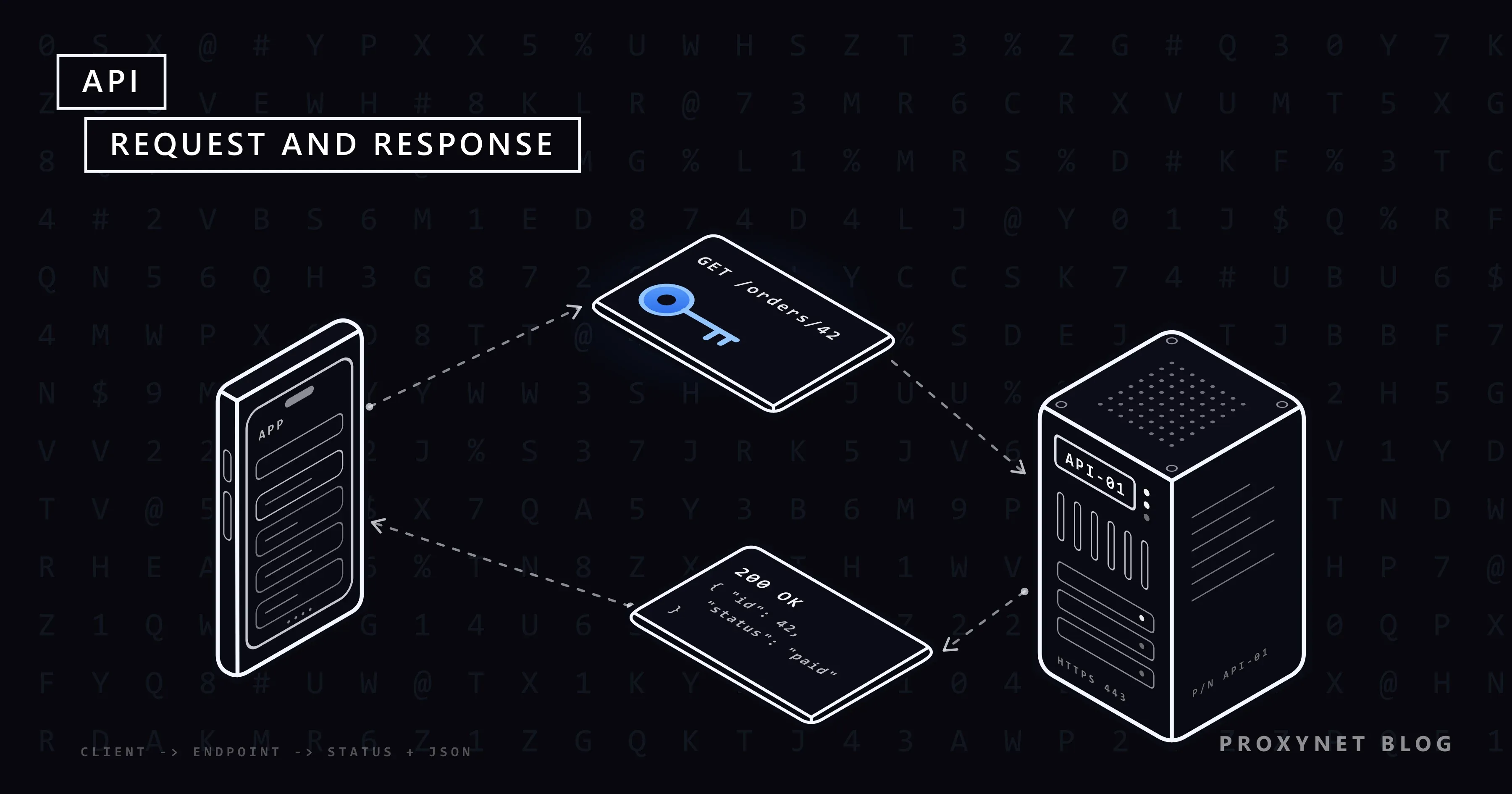
What Is an API and How Does It Work?
An API is a fixed set of requests one program can send to another. Learn how an API call works, what keys, endpoints and rate limits are, and how to try one.
Written by:Acar Diveroli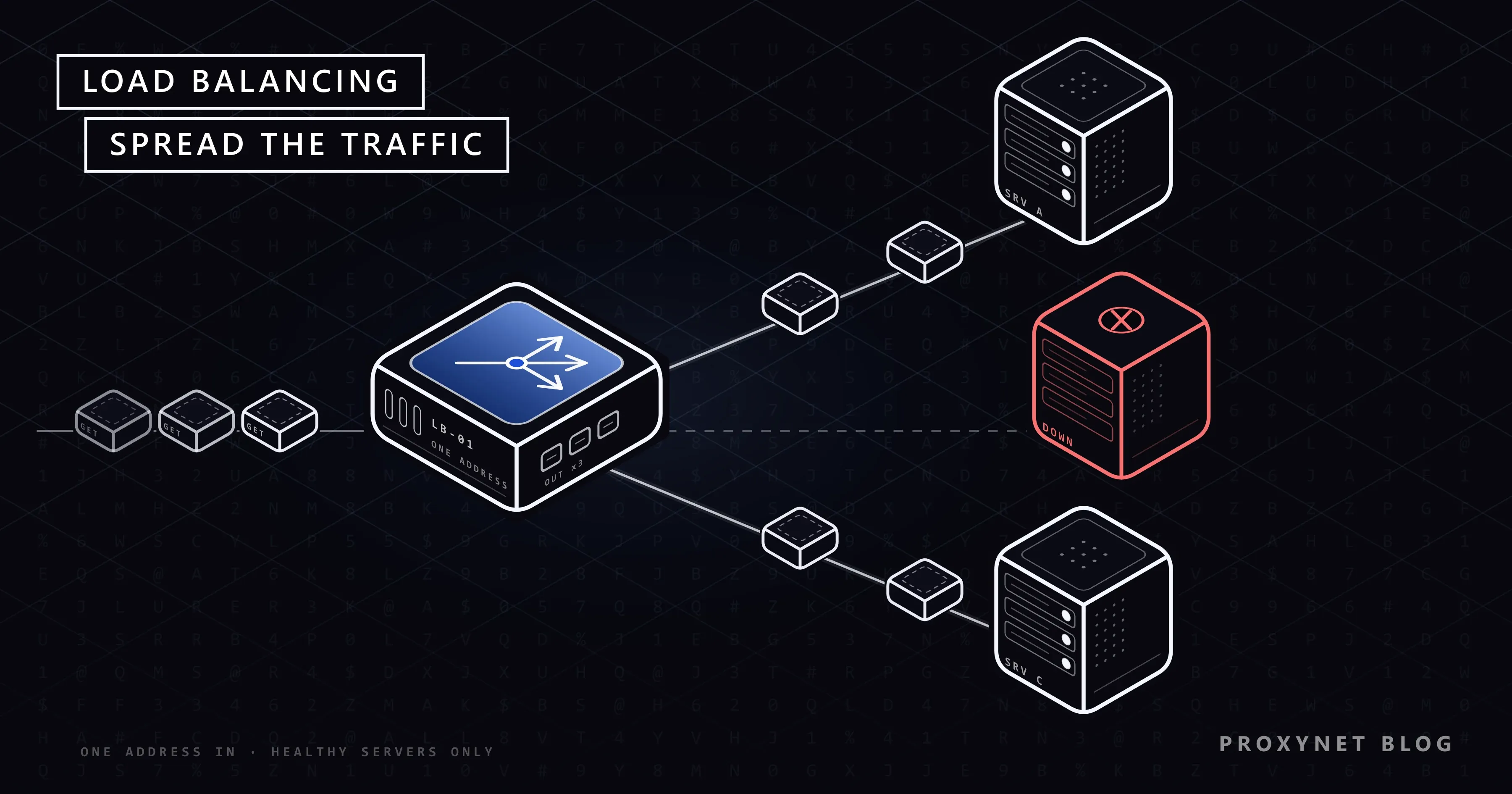
Published
What Is Load Balancing? Algorithms and Types
Load balancing spreads incoming requests across several servers so none is overloaded. Learn the algorithms, L4 vs L7, health checks and sticky sessions.
Written by:Acar Diveroli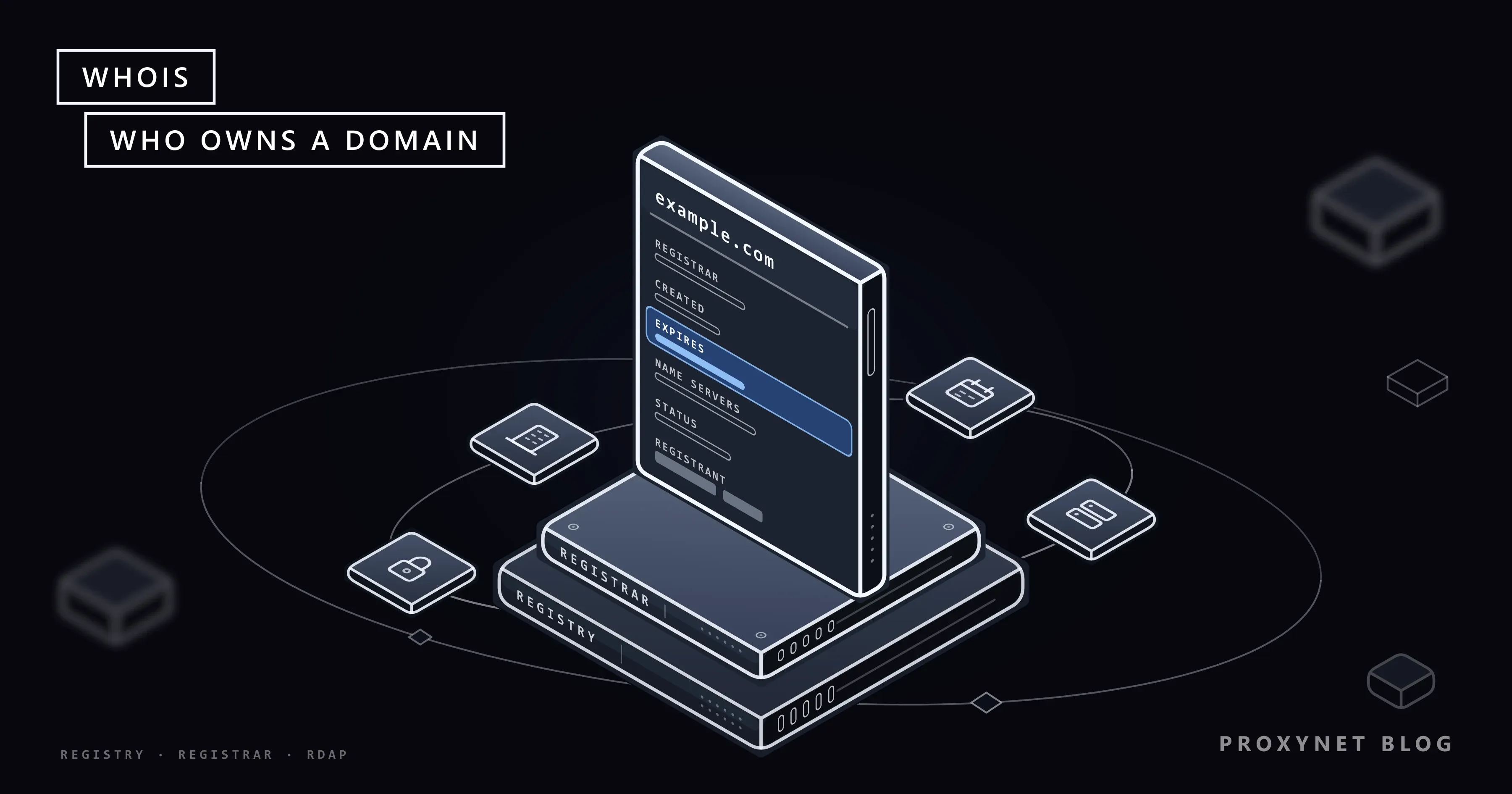
Published
What Is WHOIS? How Domain Lookups Work
WHOIS is the public record of who registered a domain or IP block: registrar, dates, status. How WHOIS and RDAP lookups work, and why owner names are hidden.
Written by:Acar Diveroli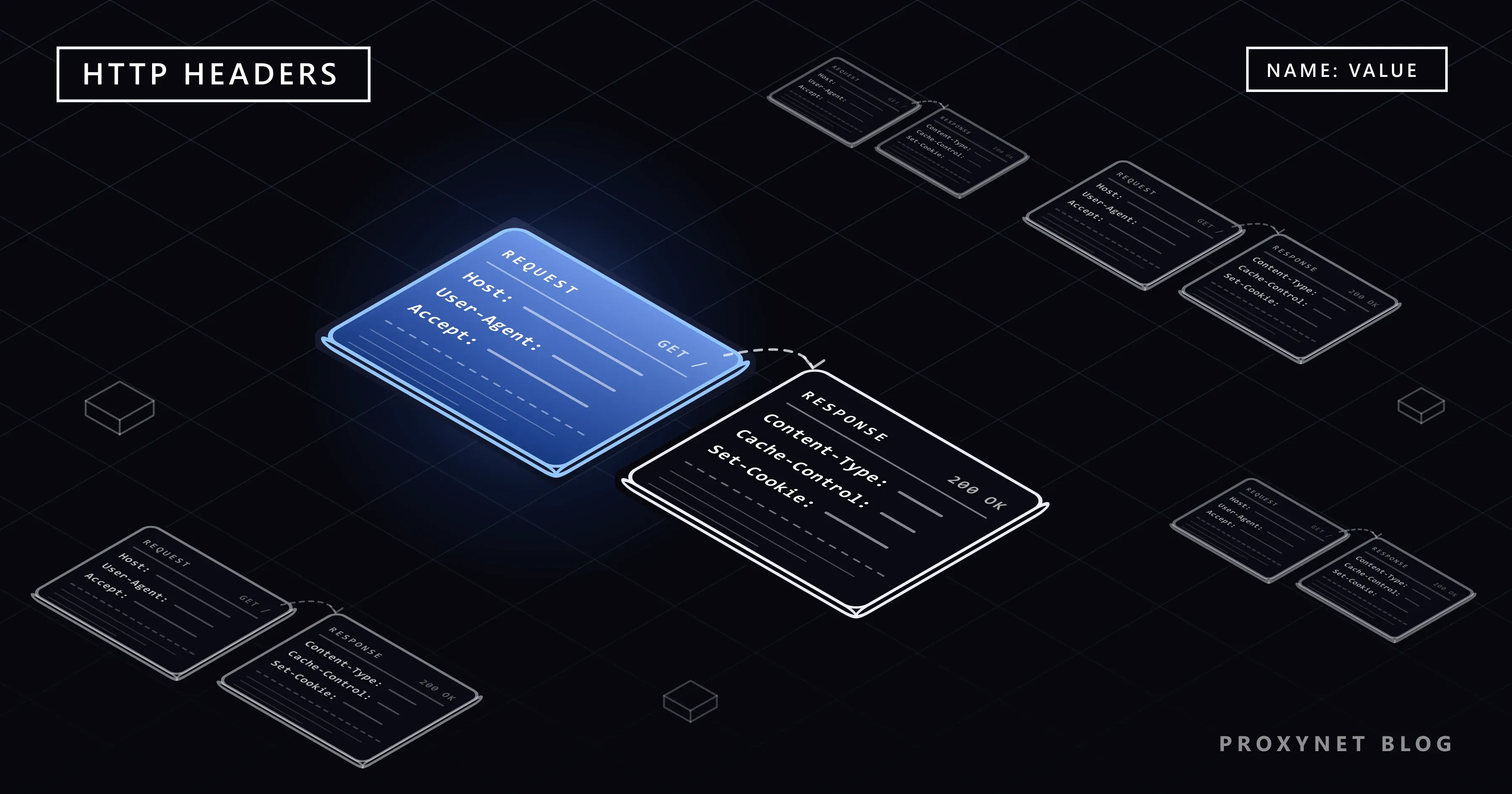
Published
What Are HTTP Headers? Common Headers Explained
HTTP headers are name: value lines sent before the body of every request and response. What they do, the common ones and how to view them in Chrome and curl.
Written by:Acar Diveroli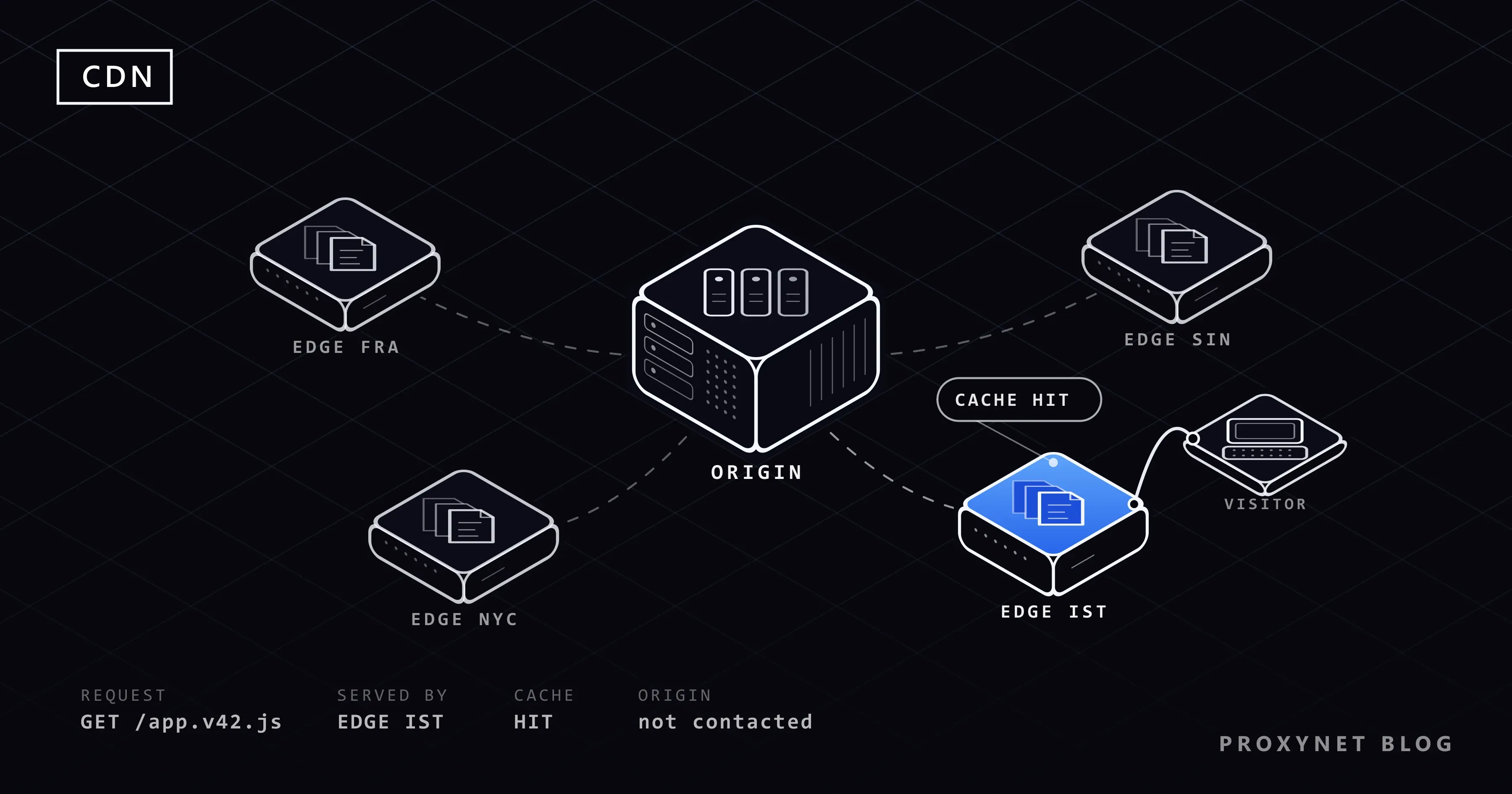
Published
What Is a CDN and How Does It Work?
A CDN (content delivery network) is a network of servers that keeps copies of a website close to its visitors. How it works, what it caches and how to spot one.
Written by:Acar Diveroli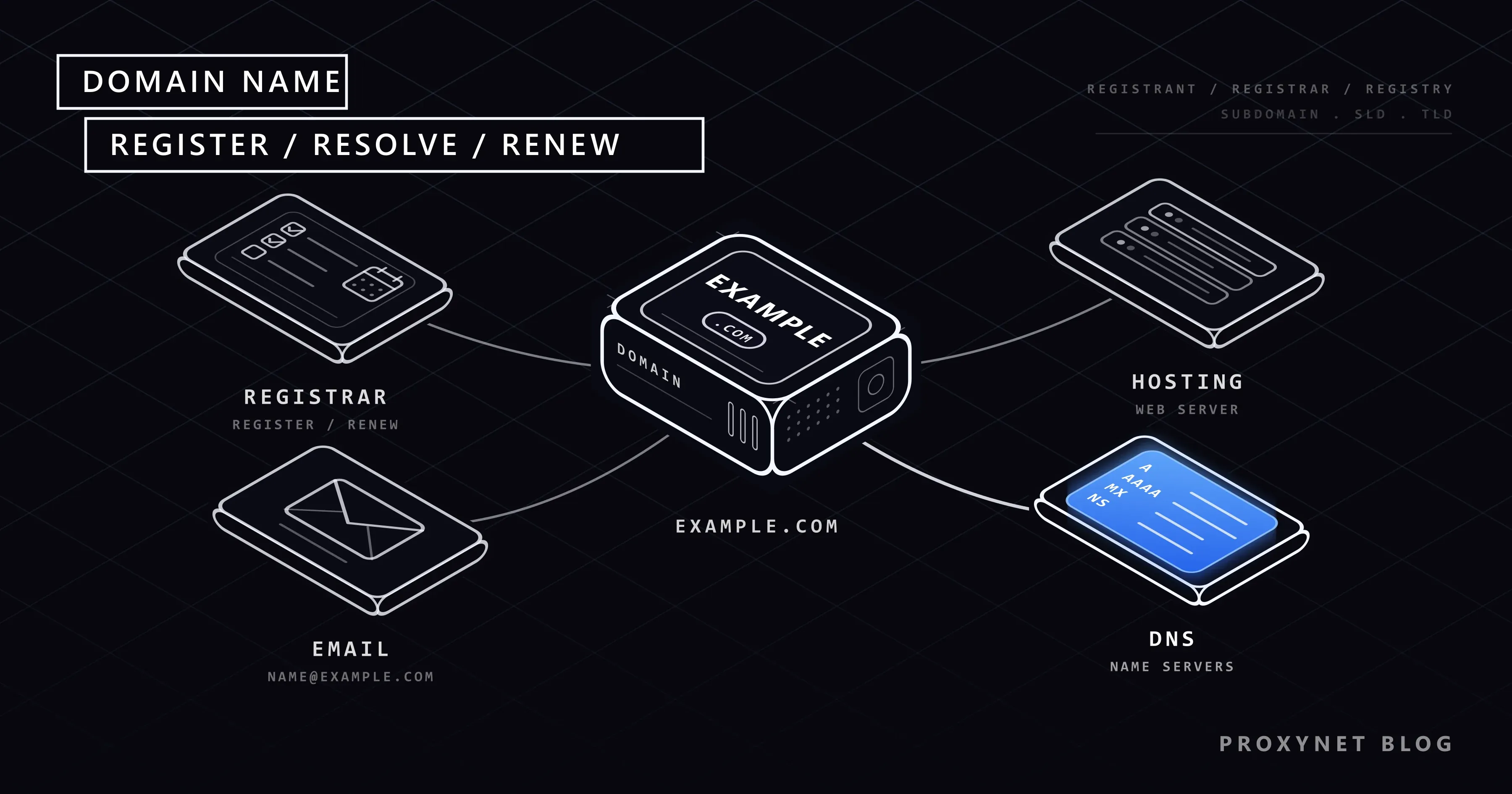
Published
What Is a Domain Name and How Do You Get One?
A domain name is the address people type to reach a site, such as example.com. How its parts work with DNS, how to check if one is free and how to register it.
Written by:Acar Diveroli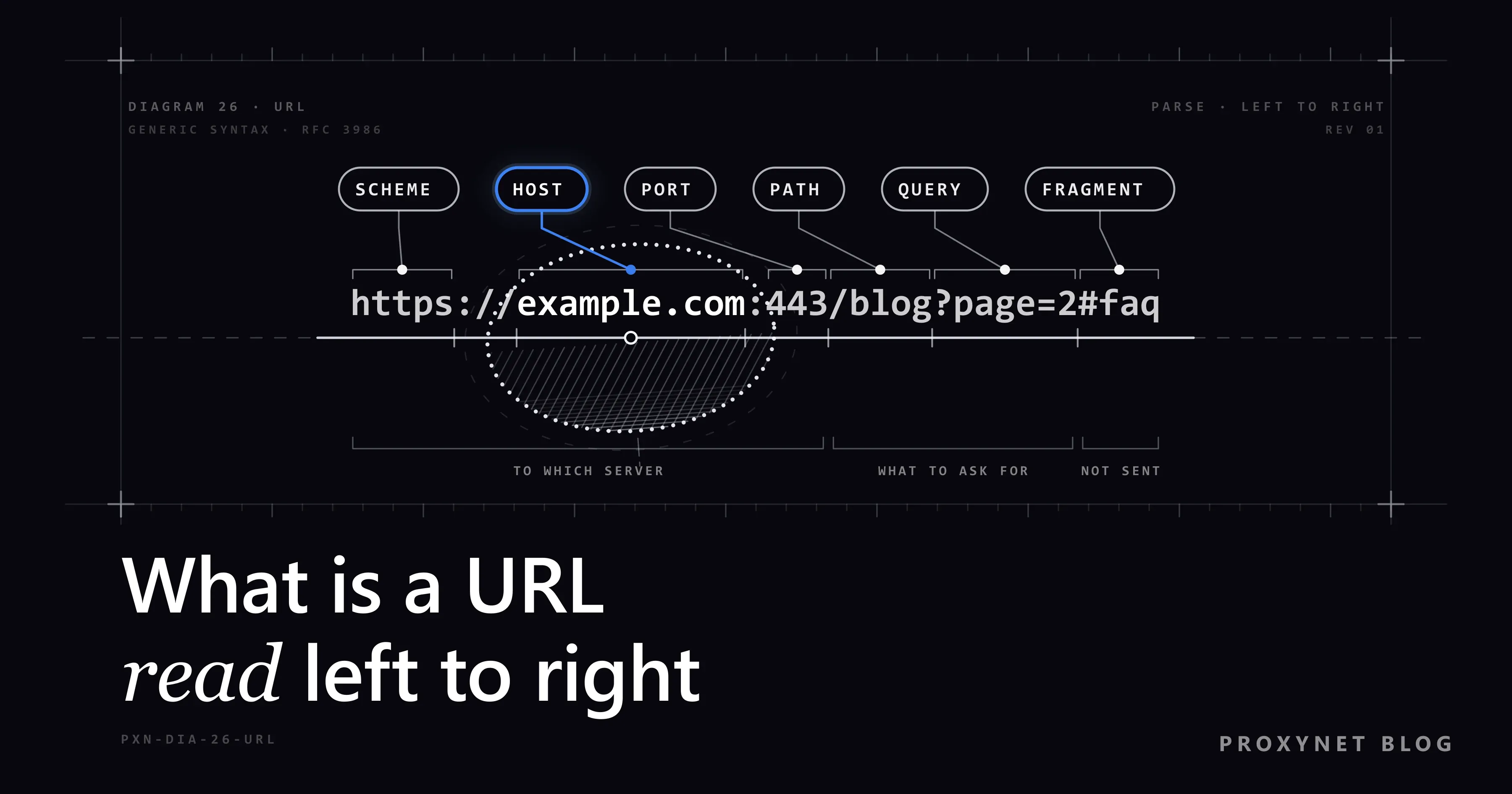
Published
What Is a URL? Parts of a Web Address Explained
A URL is the full address of one page, image or file on the web. Learn what each part does, from https:// to ?query and #fragment, and how to copy one.
Written by:Acar Diveroli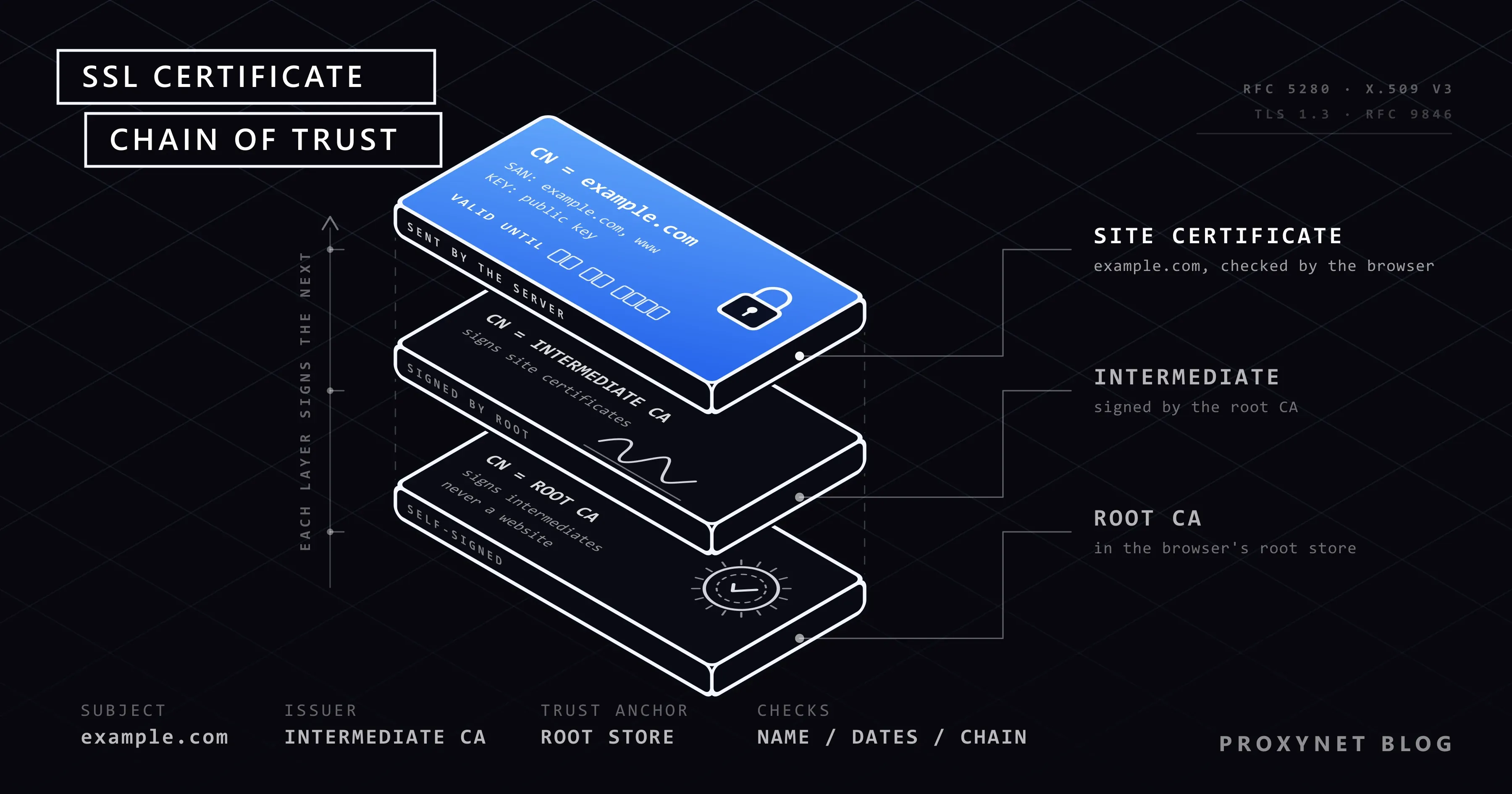
Published
What Is an SSL Certificate and How Do You Check One?
An SSL certificate is a signed file that proves a site controls its domain and enables HTTPS. What it contains, how browsers check it and how to view one.
Written by:Acar Diveroli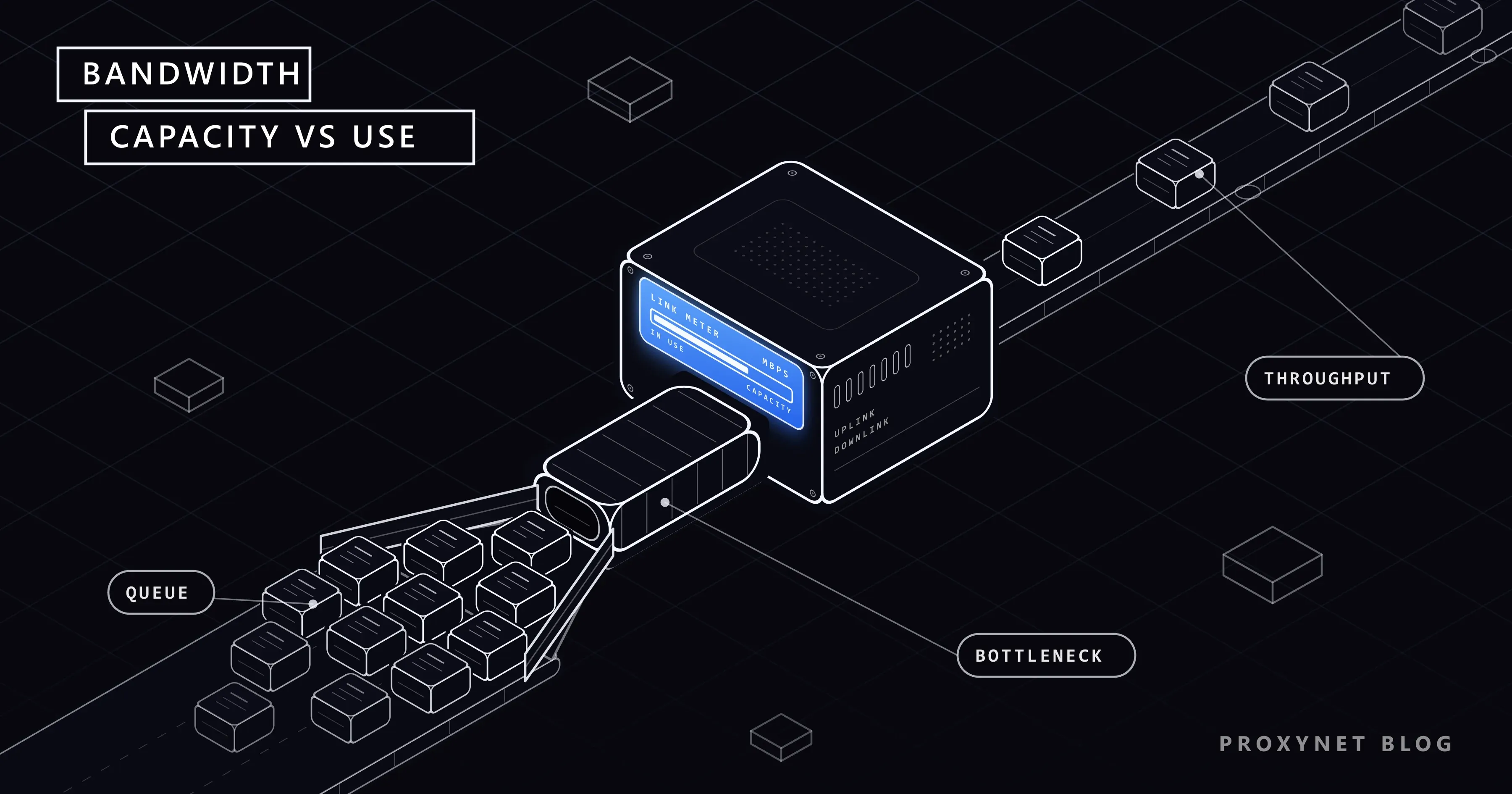
Published
What Is Bandwidth? Bandwidth vs Speed Explained
Bandwidth is the most data a connection can carry each second, measured in Mbps. See how it differs from speed and latency and why you rarely get all of it.
Written by:Acar Diveroli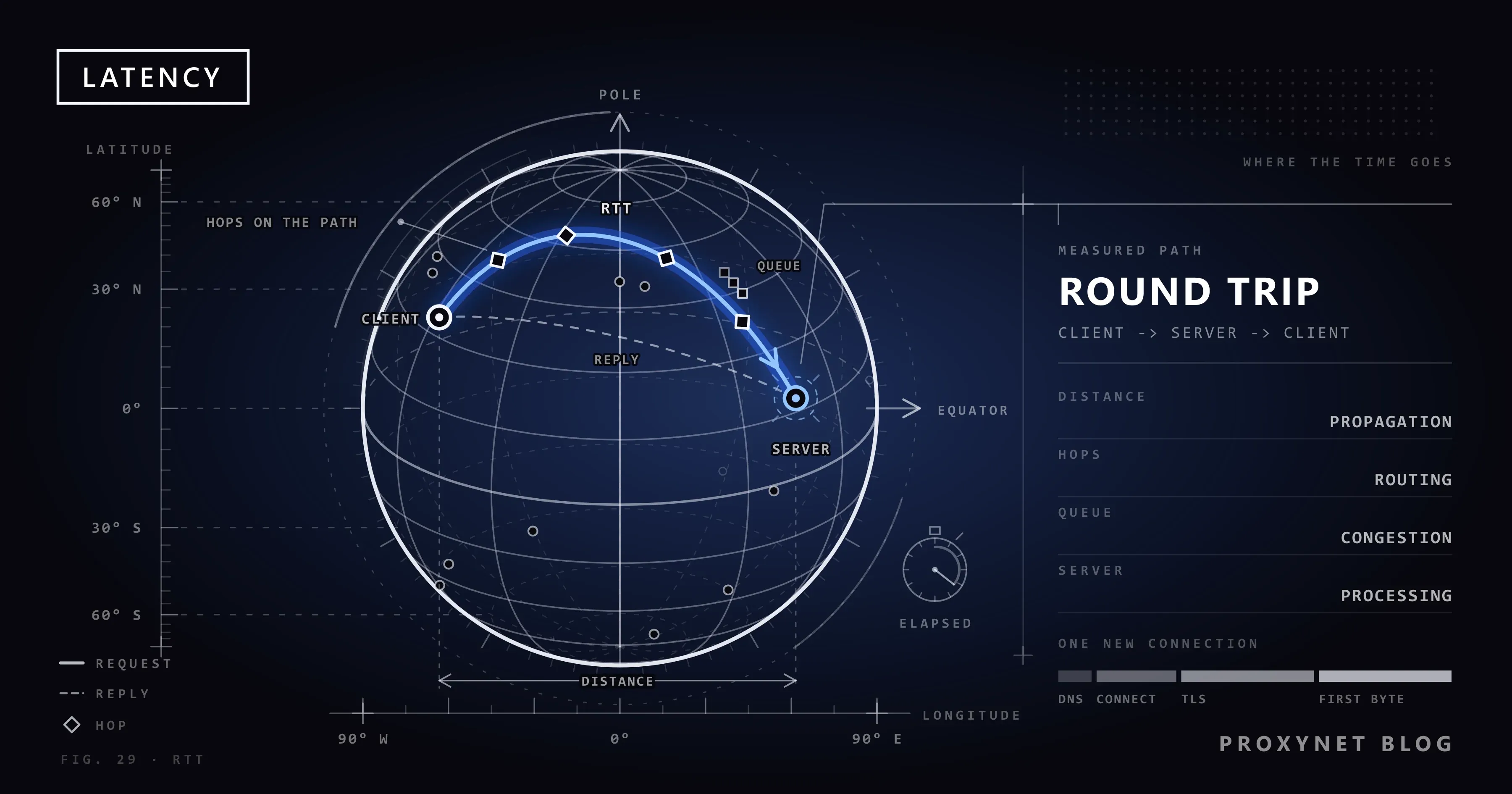
Published
What Is Latency? Latency vs Ping and How to Lower It
Latency is the delay between sending a request and getting the answer, measured in ms. What causes it, how it differs from ping and how to lower it.
Written by:Acar Diveroli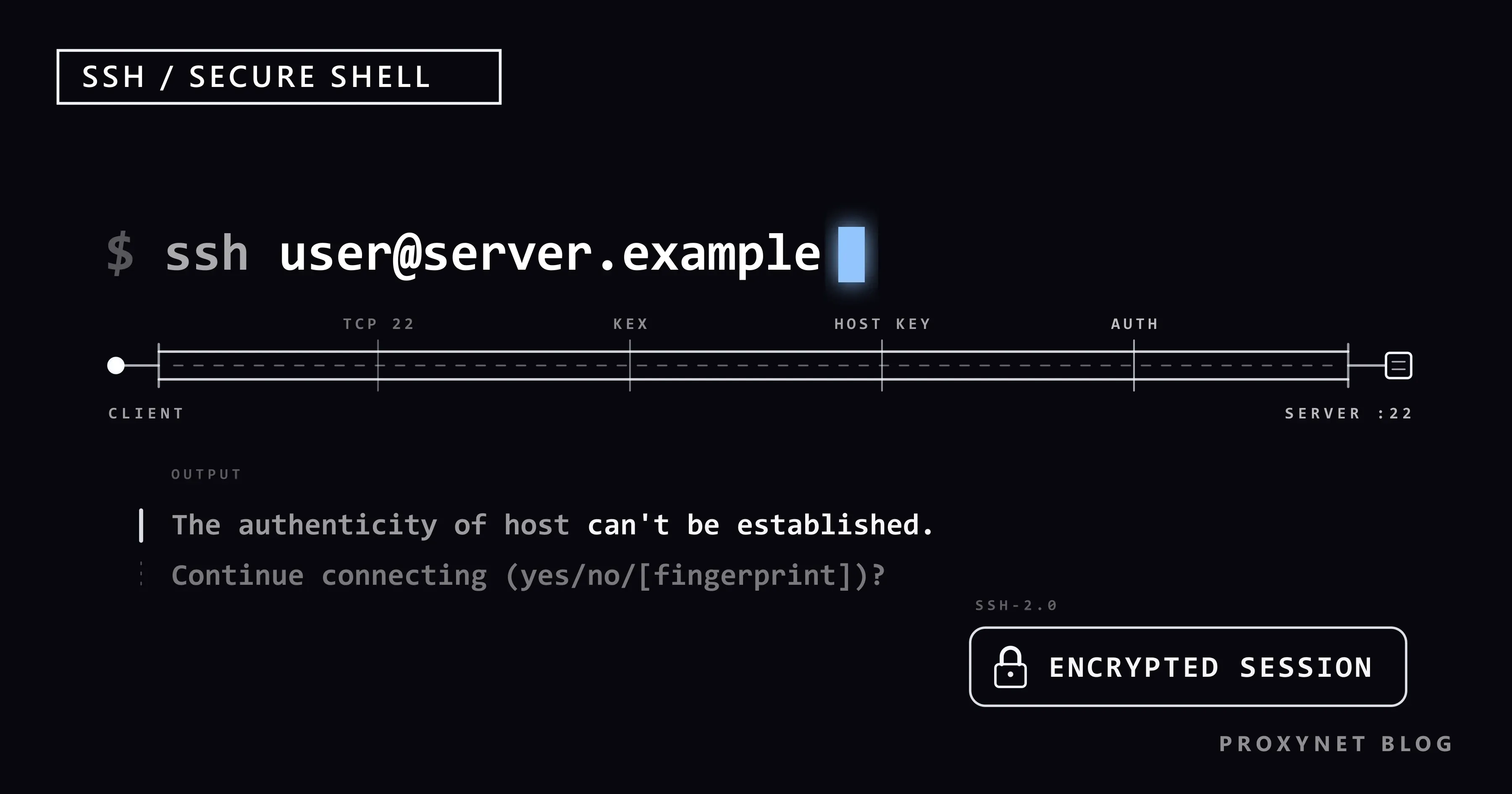
Published
What Is SSH and How Do You Connect to a Server?
SSH (Secure Shell) is the encrypted way to log into a server and run commands on it, by default on port 22. How it works, how to connect and how SSH keys work.
Written by:Acar Diveroli
HTTP/1.1 vs HTTP/2 vs HTTP/3: What Changed
Written by: Acar DiveroliComparisonPublished
What Is an API and How Does It Work?
Written by: Acar DiveroliNetworkingPublished
What Is Load Balancing? Algorithms and Types
Written by: Acar DiveroliNetworkingPublished
What Is WHOIS? How Domain Lookups Work
Written by: Acar DiveroliNetworkingPublished
What Are HTTP Headers? Common Headers Explained
Written by: Acar DiveroliNetworkingPublished
What Is a CDN and How Does It Work?
Written by: Acar DiveroliNetworkingPublished
What Is a Domain Name and How Do You Get One?
Written by: Acar DiveroliNetworkingPublished
What Is a URL? Parts of a Web Address Explained
Written by: Acar DiveroliNetworkingPublished
What Is an SSL Certificate and How Do You Check One?
Written by: Acar DiveroliSecurityPublished
What Is Bandwidth? Bandwidth vs Speed Explained
Written by: Acar DiveroliNetworkingPublished
What Is Latency? Latency vs Ping and How to Lower It
Written by: Acar DiveroliNetworkingPublished
What Is SSH and How Do You Connect to a Server?
Written by: Acar DiveroliTutorialPublished
No posts match
Published
Published